The New Yorkers: portraits on the street
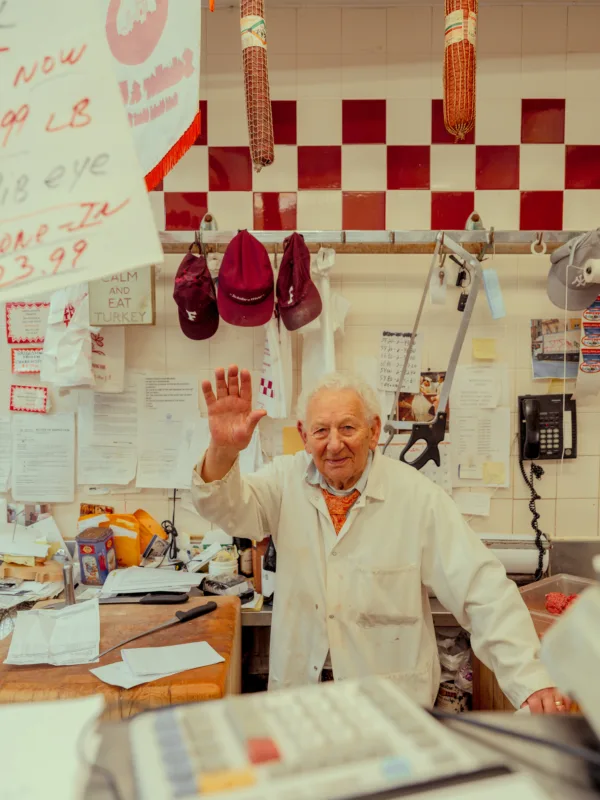
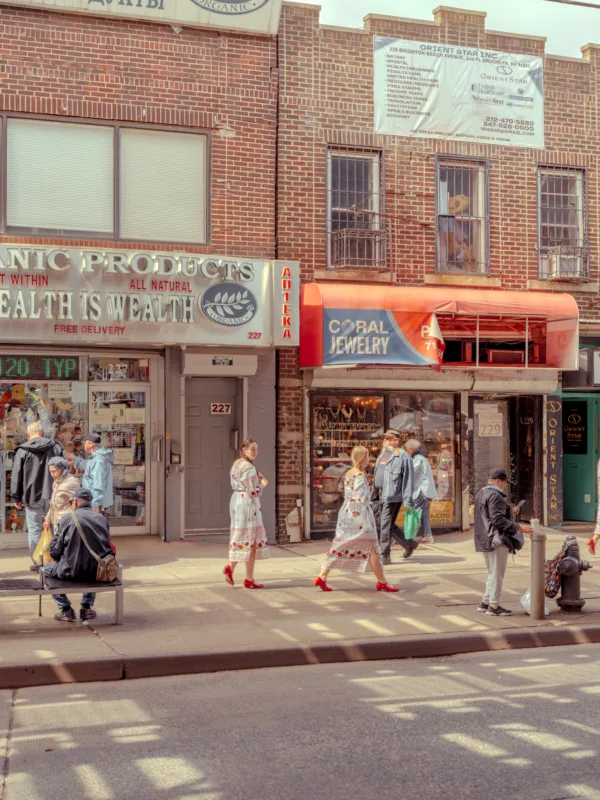
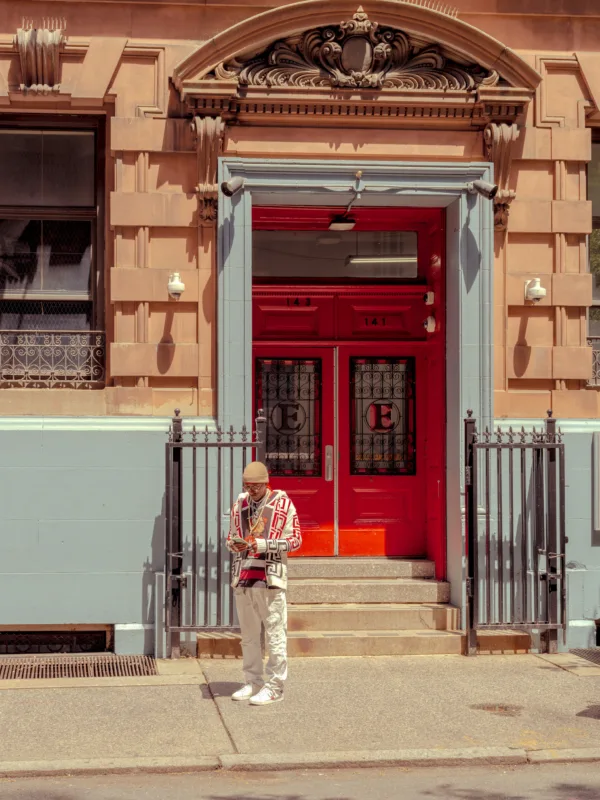
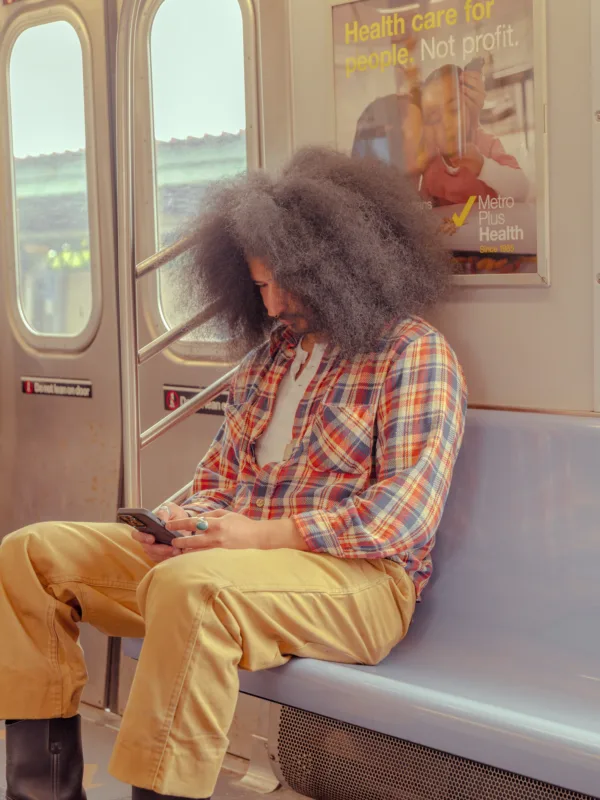
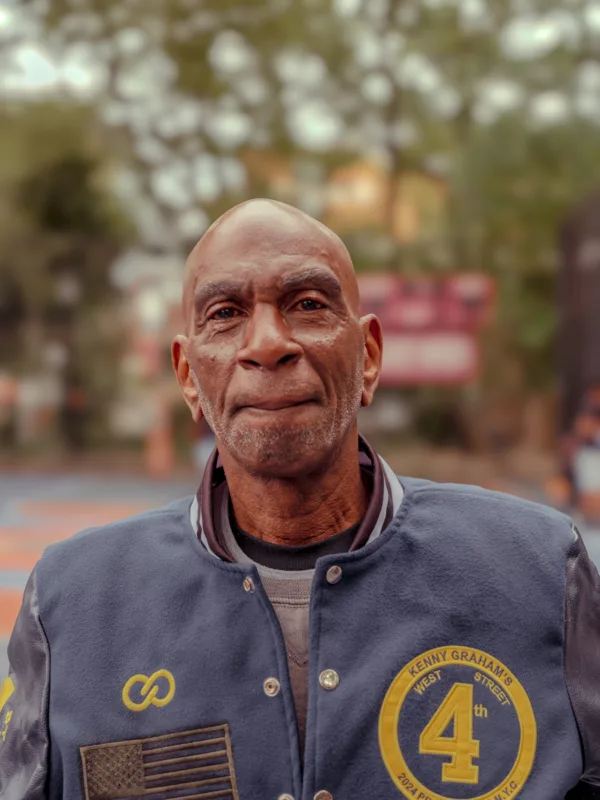
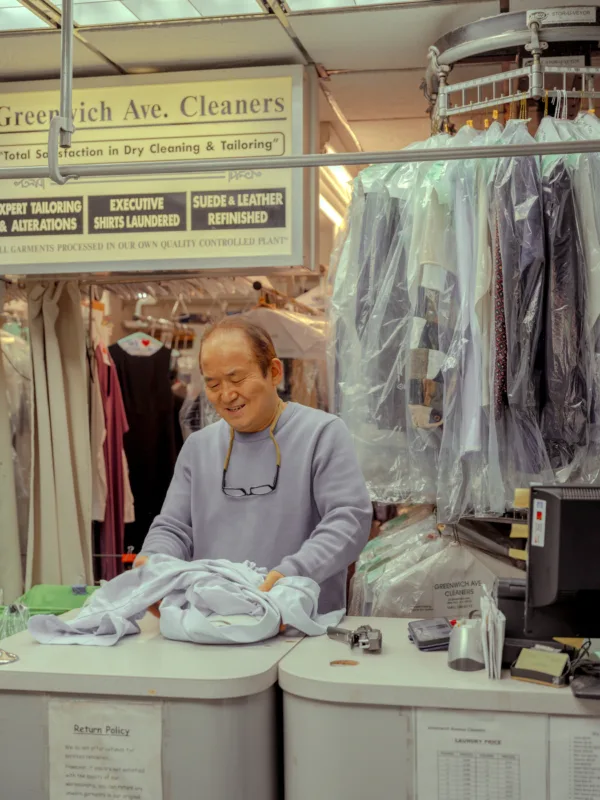
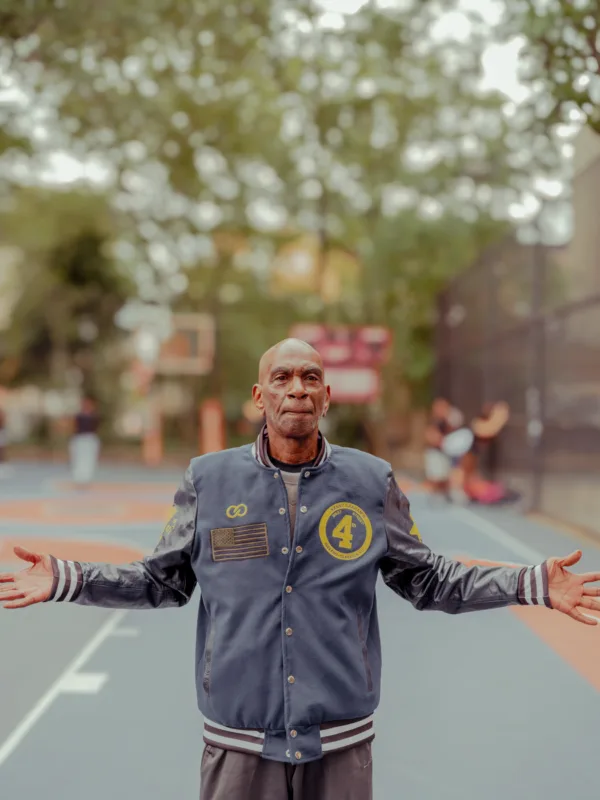
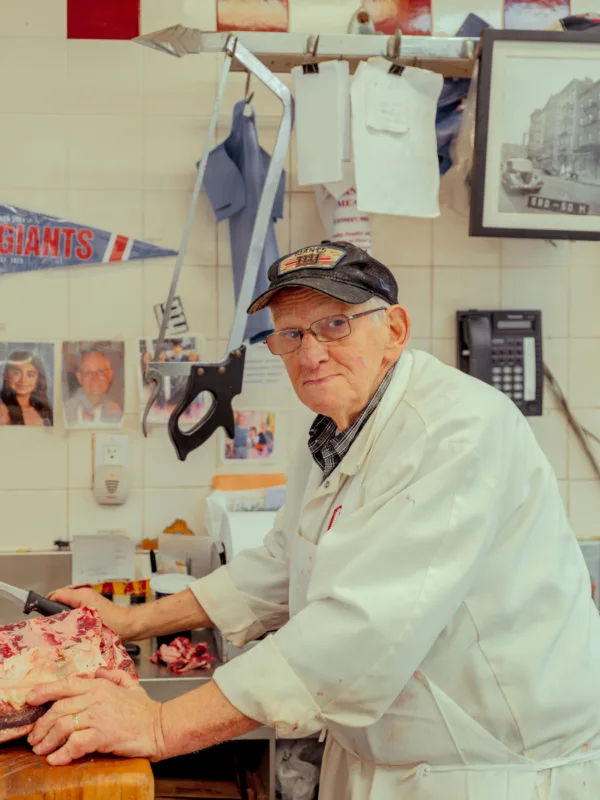
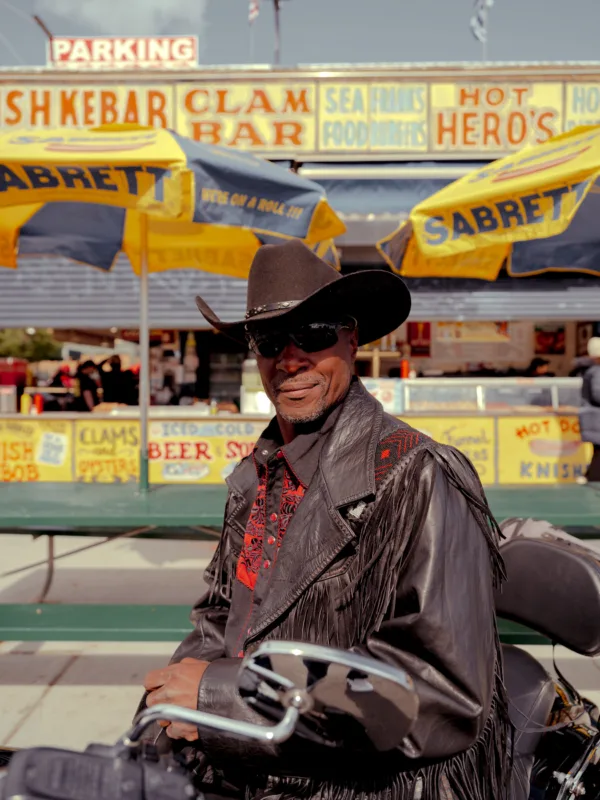
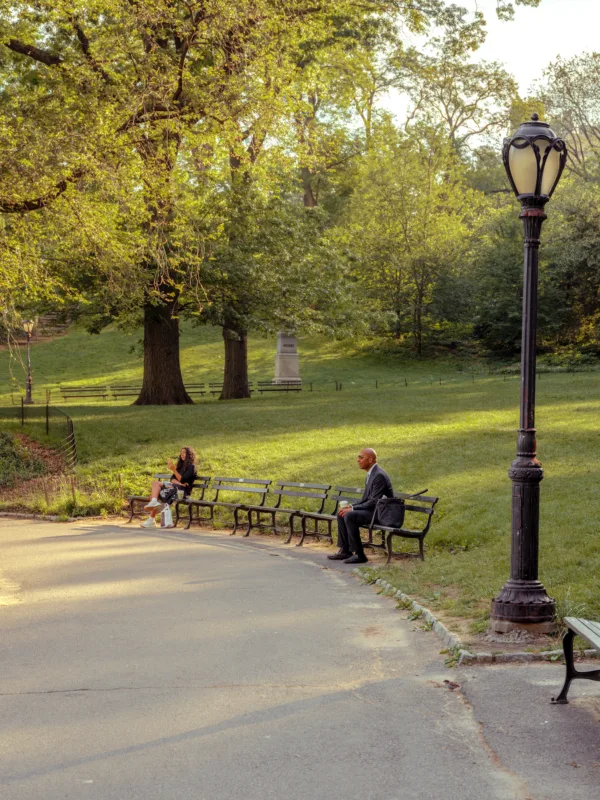
Faces come first. Also, a smiling man in a brown hat and a beige suit sits on a park bench beside his beagle. An elderly man in a white coat waves from a deli. Because the portraits are friendly, the city feels warm. Also, the colors of hats, coats and dresses add small notes of joy.
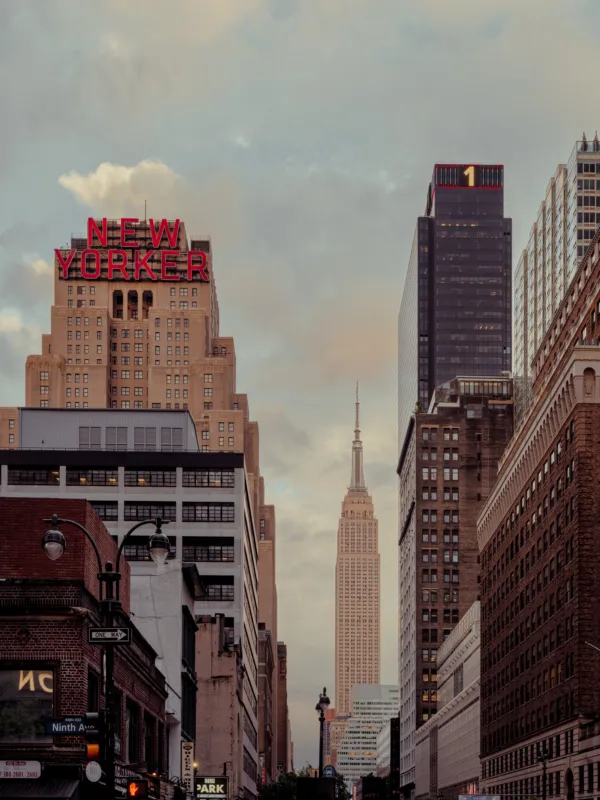
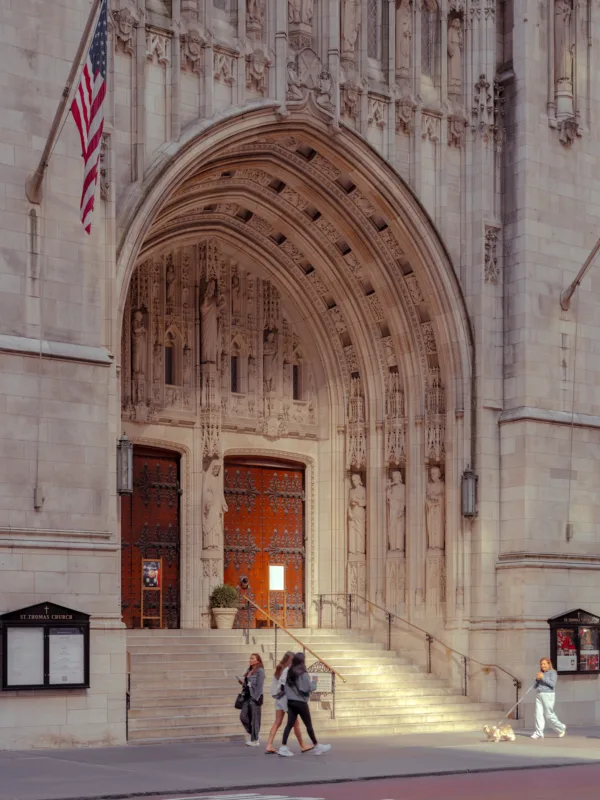
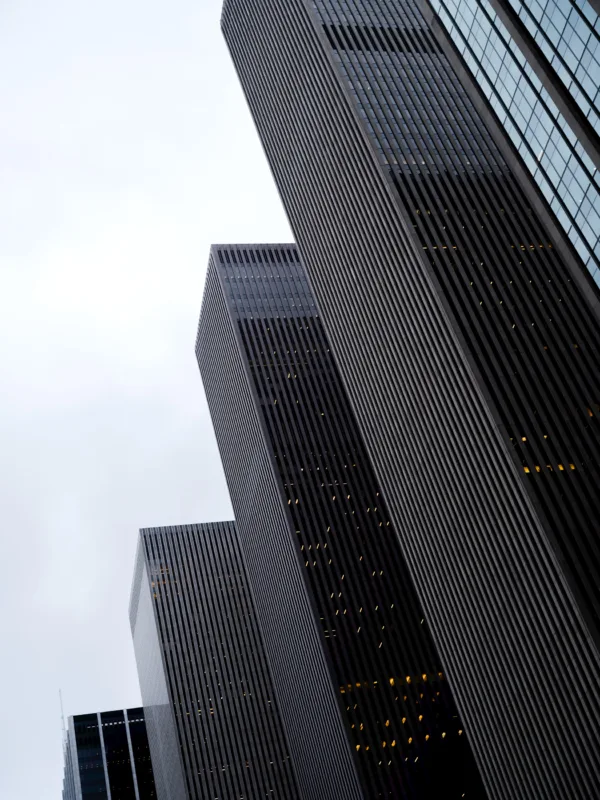
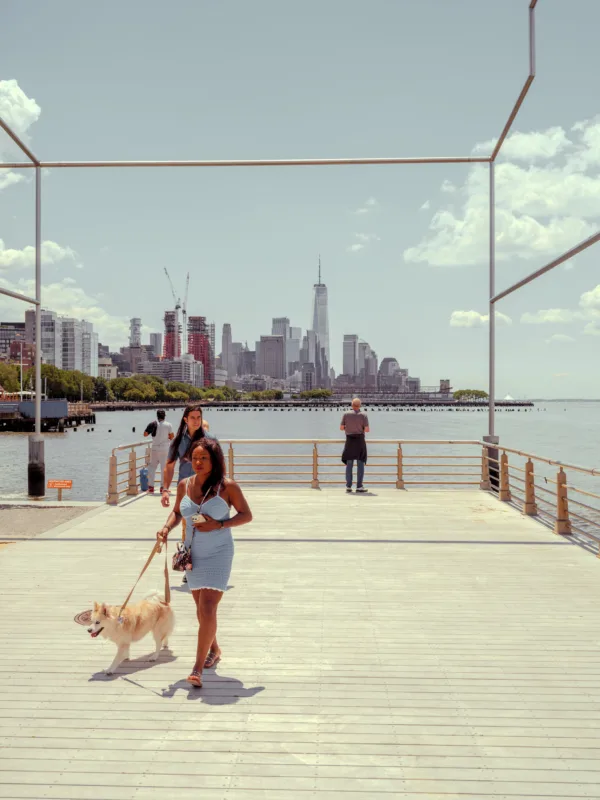
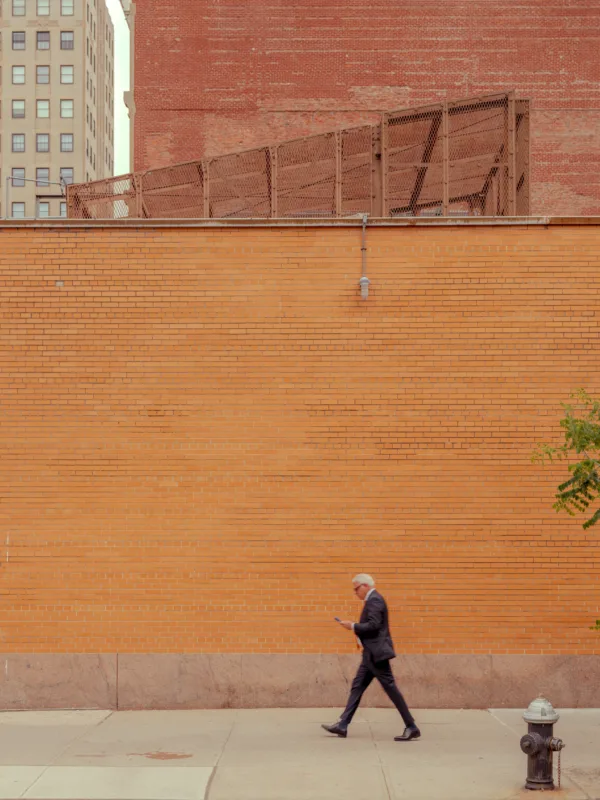
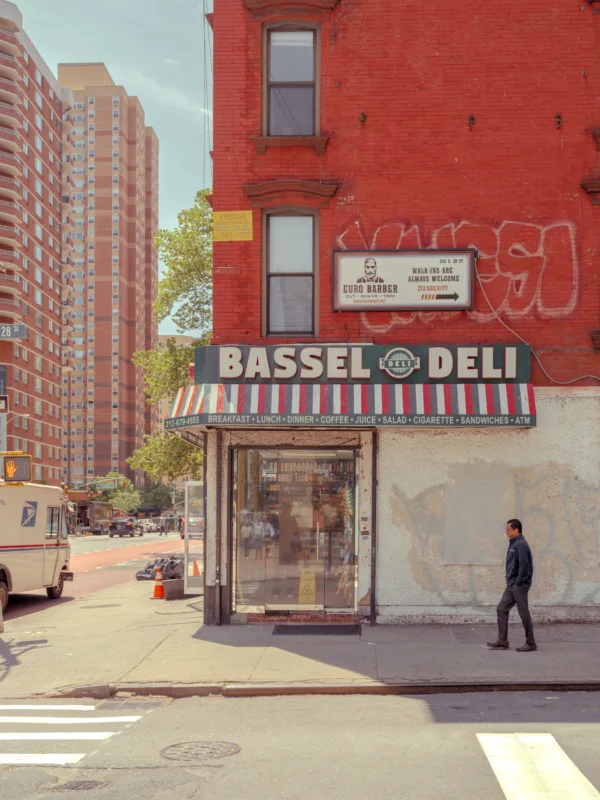
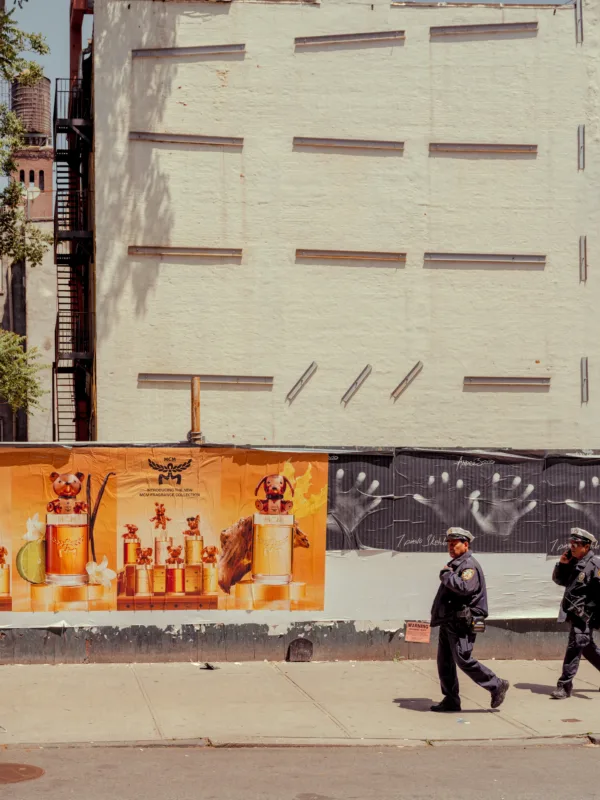
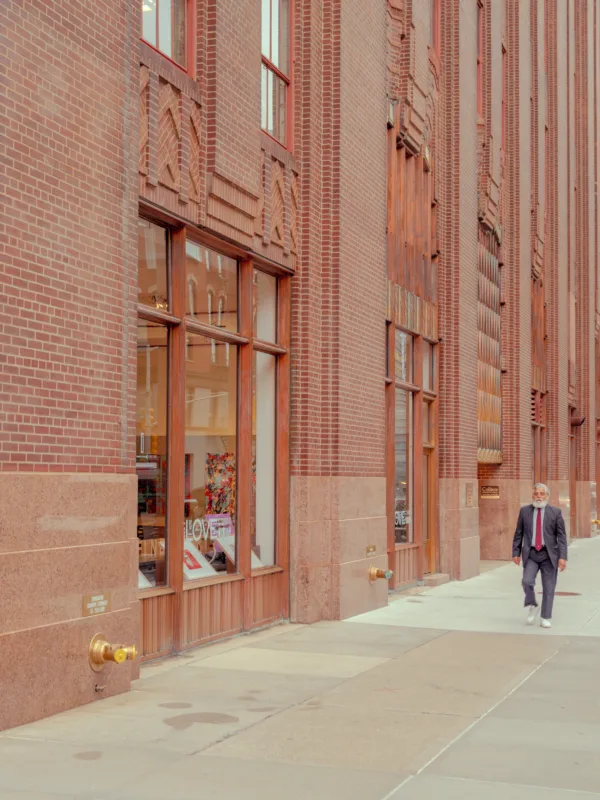
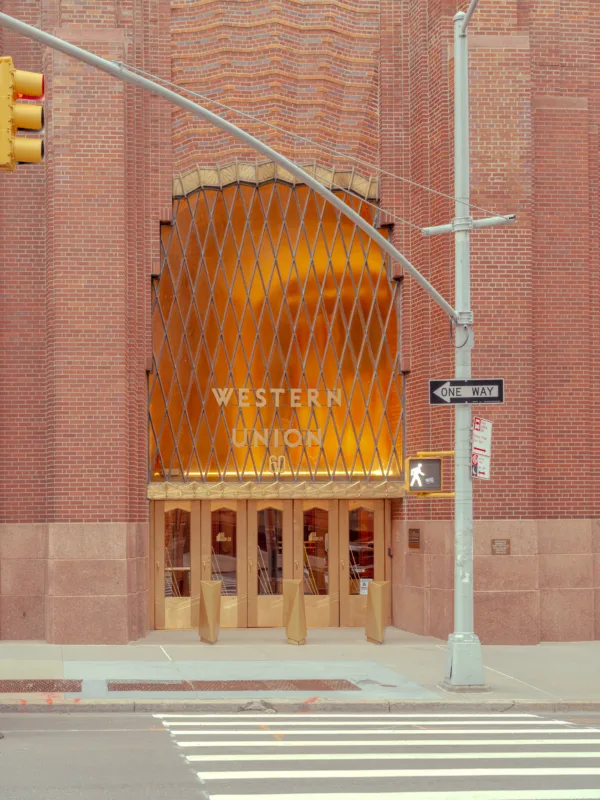
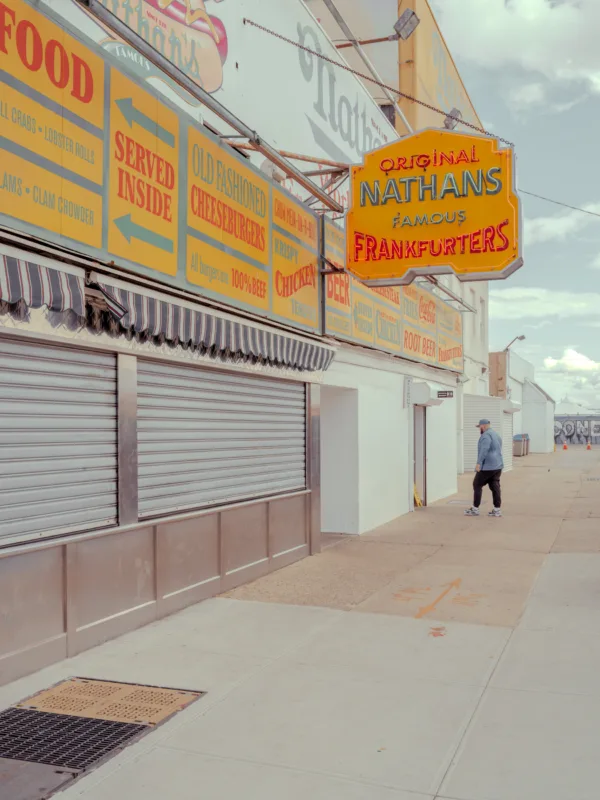
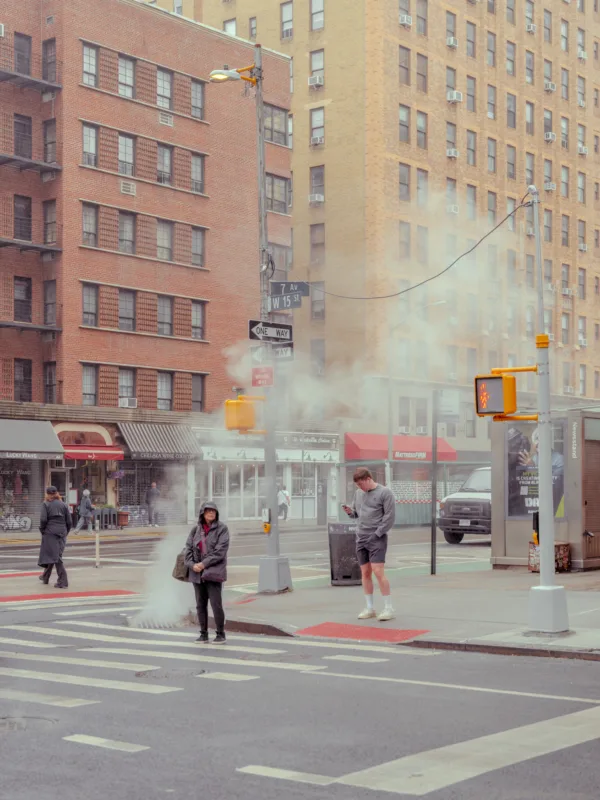
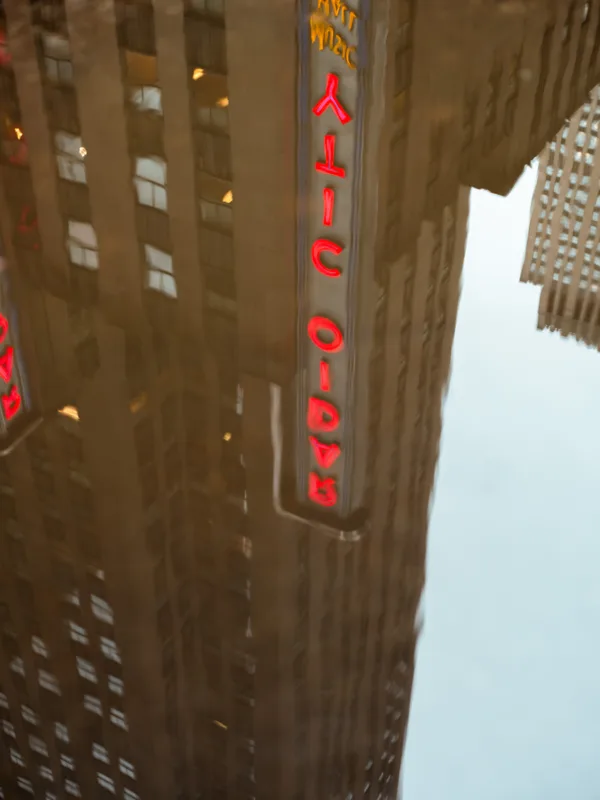
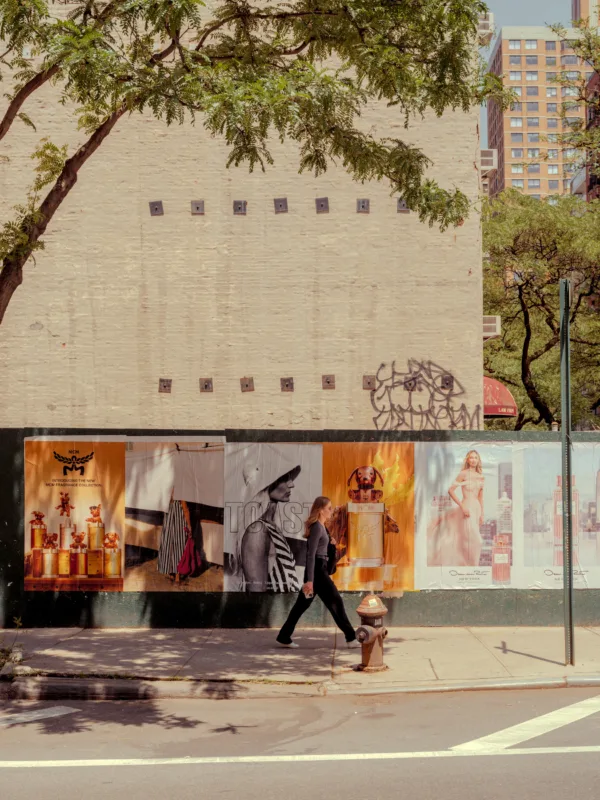
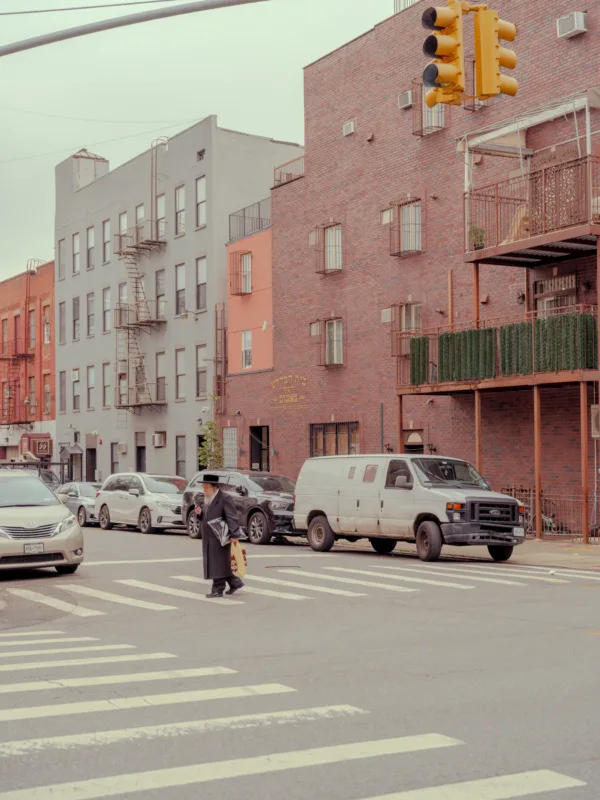
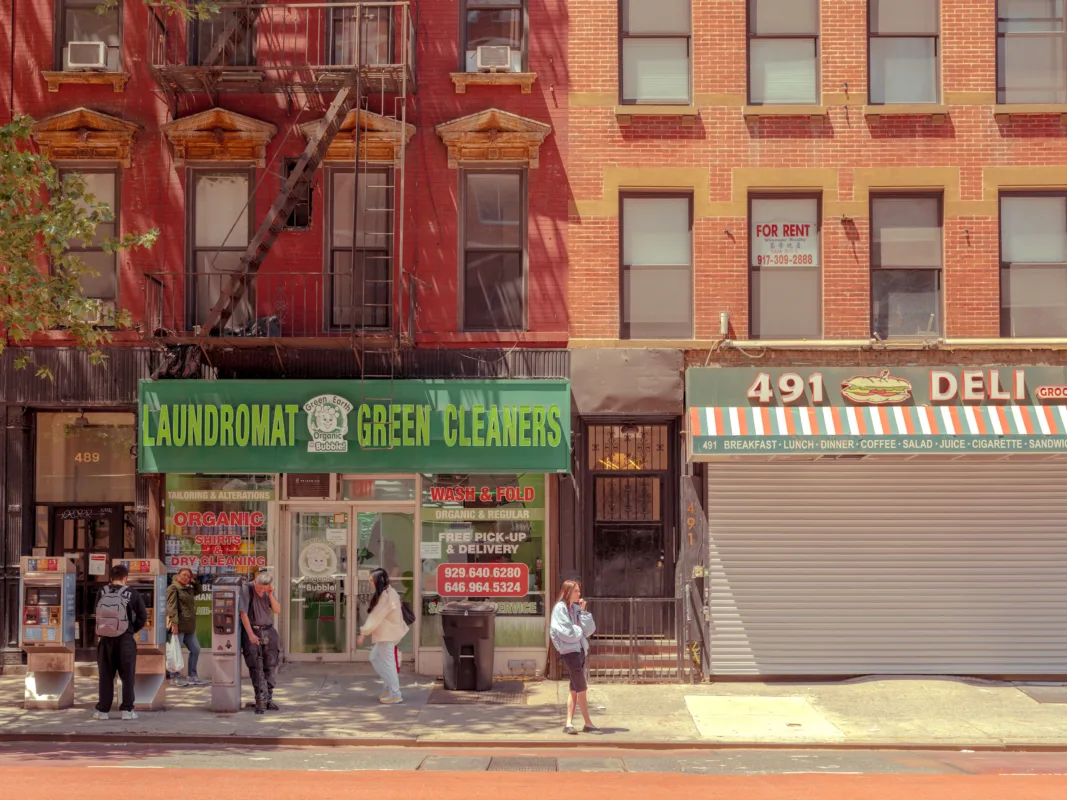
Places frame the people. Then, the New Yorker hotel sign rises on a tan building, with the Empire State Building behind it. Gothic wooden doors open on the steps of St. Thomas Church. A woman in a blue dress walks her dog on a wooden pier. Then a man in a dark suit passes a large orange brick wall. As a result, architecture and walkers share each frame.
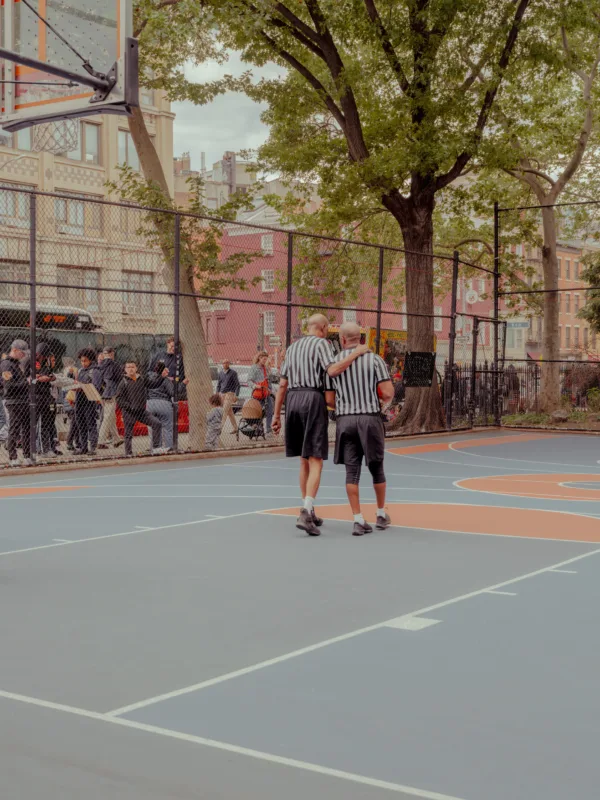
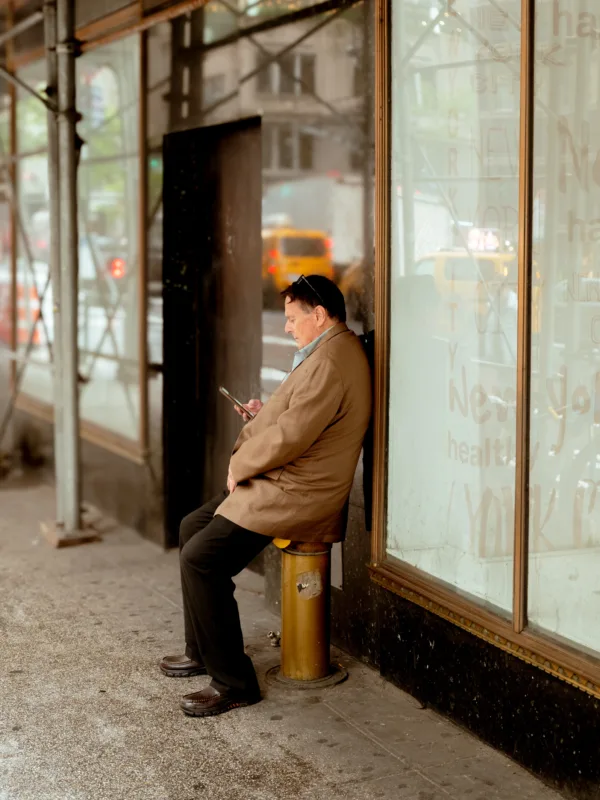
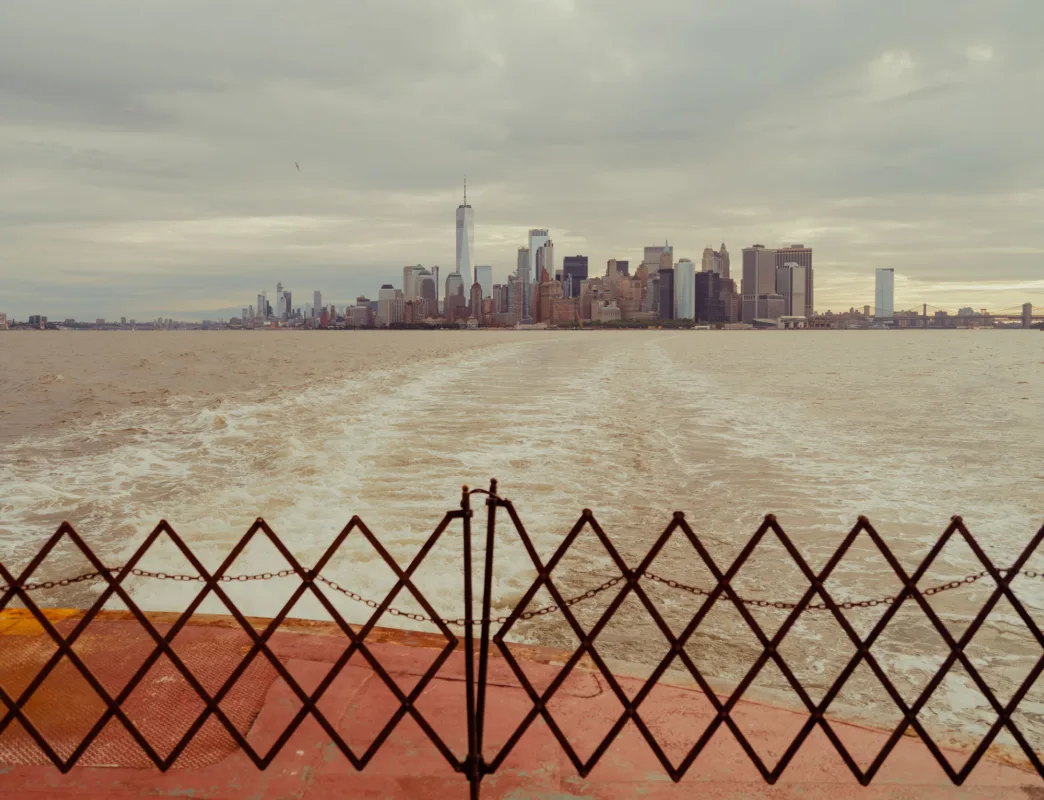
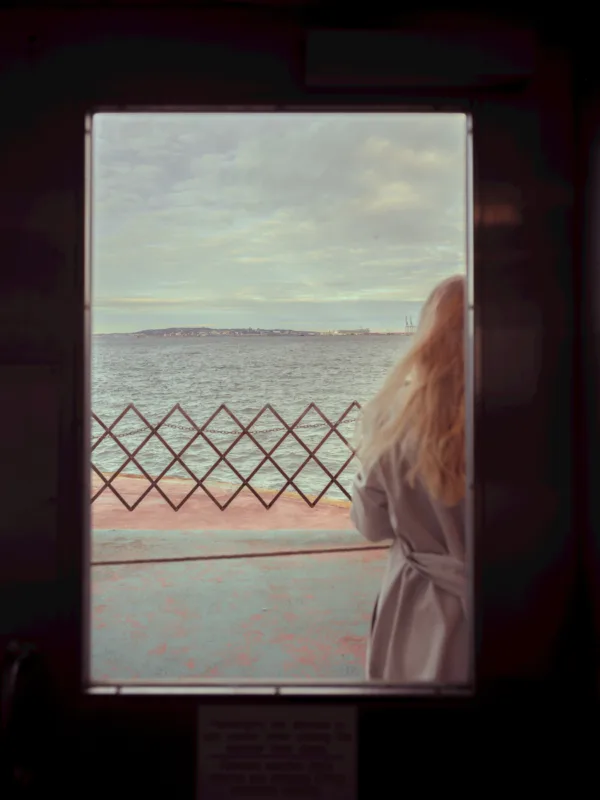
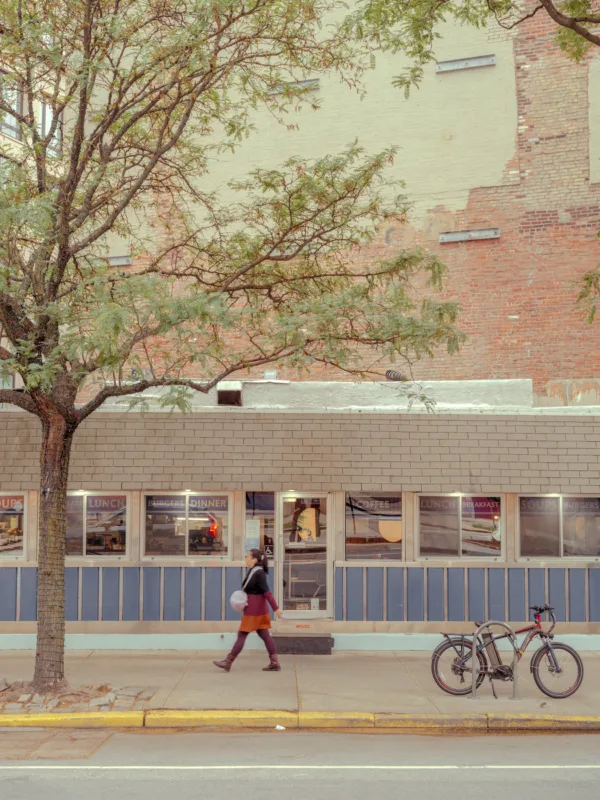
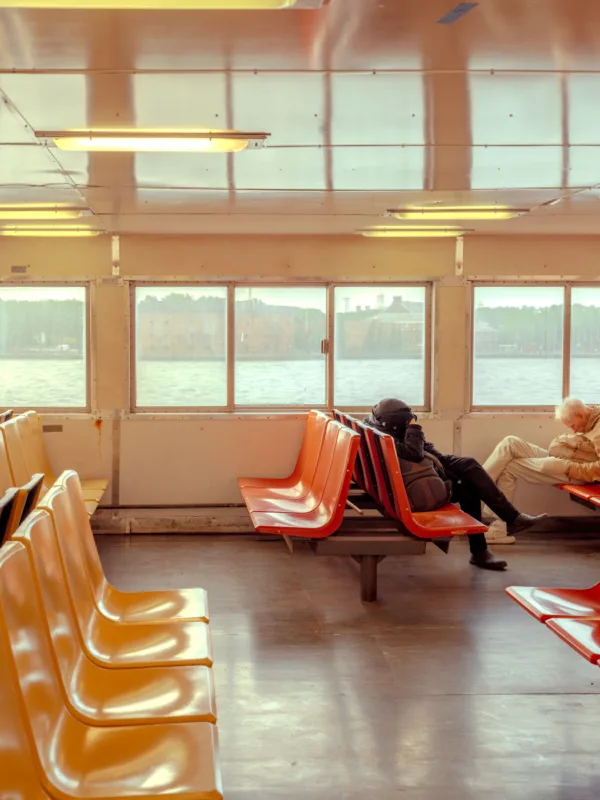
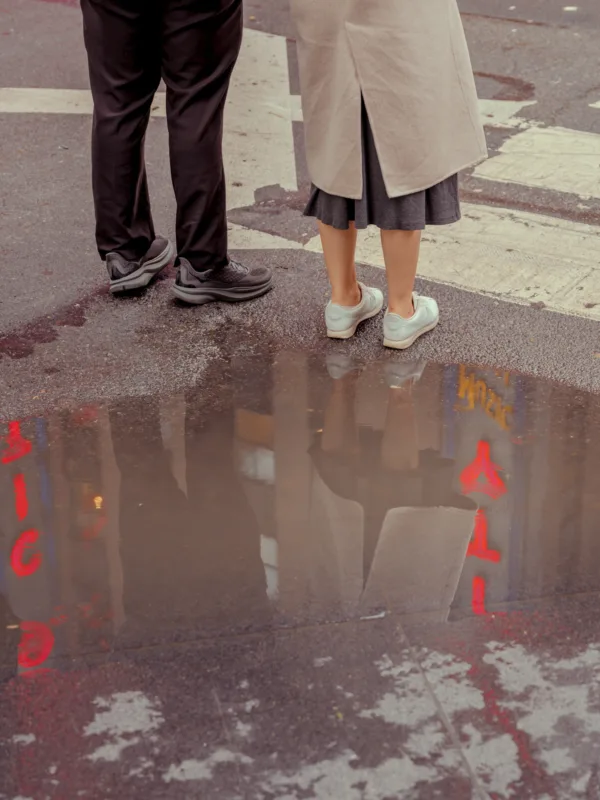
Ludwig Favre walks, looks and waits. In addition, he catches smiles, steps and glances before they pass. In the end, the series gives New York a human scale. Meanwhile, it is a loose family album of strangers, made in a single season. Fall light ties them together. At the same time, the mood is easy and open. Nobody poses for long. Also, each frame feels spontaneous.