Enjoy 10% off your first Fine Art print by signing up for the newsletter.

Medium Format vs Full Frame: Why Switch, and Which Camera to Choose
The decision to choose a medium format camera is rarely a matter of simple technical upgrading. It is an intentional shift in visual philosophy. While full frame sensors have reached a plateau of efficiency, the medium format sensor introduces a different relationship between the lens and the plane of capture, altering how light is sampled and how space is rendered.
In the context of cinematic urban photography, this transition is not about chasing megapixels, but about achieving a specific dimensionality. The aesthetic stakes involve the reproduction of tonal graduations and a subtle compression of perspective that distinguishes a commercial image from a fine art piece. This essay analyzes the current landscape of medium format systems, contrasting their technical architectures and their impact on the final visual output.
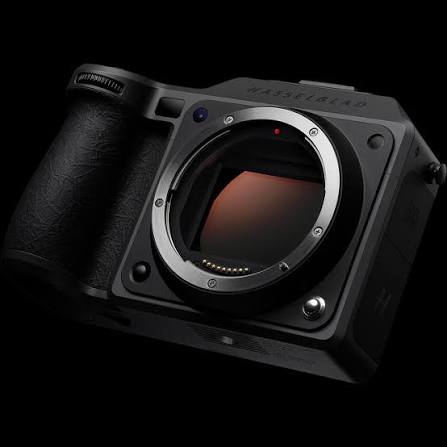
Medium Format versus Full Frame: The Physics of Scale
To understand why one would move beyond full frame, one must analyze the physical properties of the sensor. A medium format sensor provides a larger surface area, which typically results in a shallower depth of field at equivalent focal lengths and a wider dynamic range. This allows for a more nuanced transition between highlights and shadows, a quality essential for capturing the brutalist concrete of urban structures or the soft gradients of a California dawn.
However, this fidelity comes with significant trade offs. The first is bulk. Medium format systems, and specifically their optics, are inherently bulkier. This weight slows the photographer down, forcing a transition from the reactive nature of street photography to a more premeditated, architectural approach. The second factor is price. The entry cost for a professional medium format kit often exceeds that of a high end full frame system by a factor of two or three.
The benefit, however, lies in the tonal depth. Where full frame can sometimes feel clinical or overly sharp, medium format offers a perceived organicism. The way it renders skin tones and architectural materials like brushed steel or limestone possesses a tactile quality that is difficult to replicate through post processing alone.
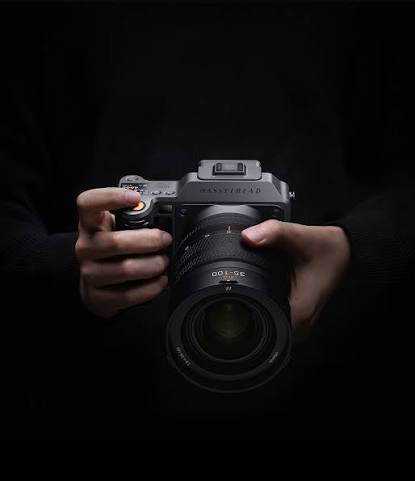
Comparative Analysis: Hasselblad, Fujifilm, and Leica
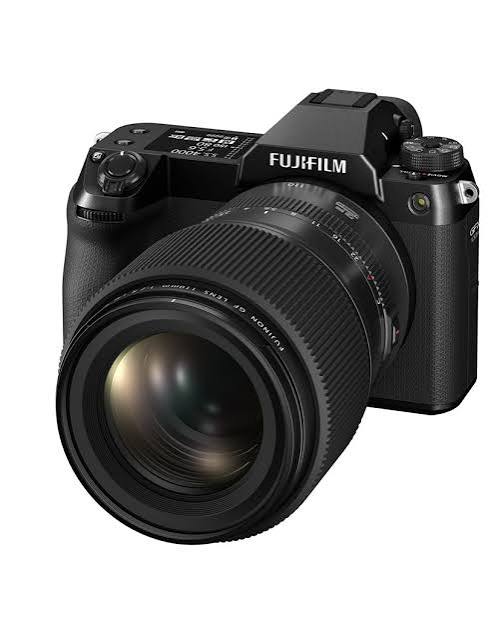
The current market is dominated by two distinct philosophies. On one side, the Fujifilm GFX ecosystem represents the integration of medium format quality into a modern, versatile workflow. The GFX100 II and its predecessors offer an extensive range of lenses and robust in body image stabilization (IBIS). It is a tool designed for the working professional who requires speed, autofocus reliability, and systemic flexibility. Personally, I have used the Fujifilm GFX100S since its release: it is the camera behind the work that made me a Hasselblad Masters 2026 finalist.
In contrast, the Hasselblad X2D 100C focuses on the purity of the experience. Hasselblad prioritizes color science through its Natural Colour Solution (HNCS), aiming for an immediate, honest reproduction of reality without the need for extensive grading. The interface is minimalist and tactile, reflecting a design ethos that mirrors the Mid Century Modern architecture it often captures. While it may lack some of the rapid fire capabilities of the GFX, it excels in providing a deliberate, slow photographic process.
The Leica medium format offerings occupy a different stratum entirely. Leica focuses on the prestige of optical engineering and the heritage of the rangefinder experience. For the collector and the fine art photographer, a Leica system is less about technical specifications and more about the specific rendering characteristics of their lenses, which often prioritize micro contrast and character over raw resolution.
The choice between these systems is not a search for the best camera, but a search for the correct visual signature.
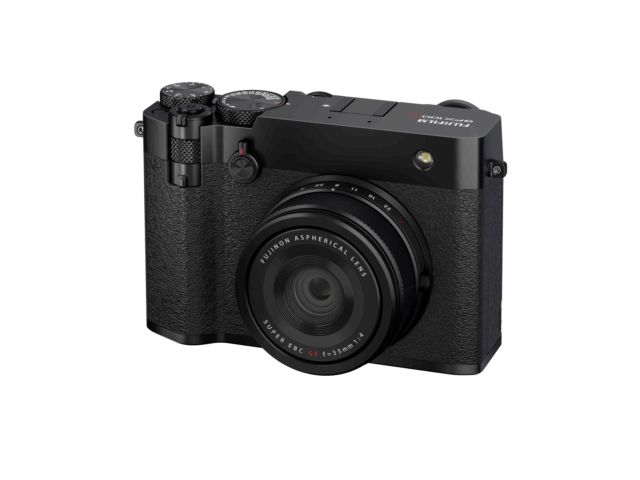
The Fallacy of the Fixed Lens Medium Format
A specific point of contention in recent years is the emergence of fixed lens medium format options, such as the Fujifilm GFX100RF. From a professional standpoint, this approach is often a flawed proposition. The primary utility of medium format is the ability to curate a specific focal length to match the geometry of a location. By locking the sensor to a single lens, the photographer loses the essential tool of architectural composition: the choice of perspective.
Furthermore, many of these fixed implementations suffer from slow optics. In urban environments where light is unpredictable or low, a slow aperture limits the ability to capture clean images without excessive noise or dangerously slow shutter speeds. When combined with a lack of stabilization, the system becomes entirely dependent on a tripod.
For an artist moving through a city, the agility provided by a compact full frame camera is preferable to a fixed lens medium format camera that lacks the versatility of interchangeable glass and the security of IBIS. The compromise in light gathering and stability negates the inherent advantages of the larger sensor.
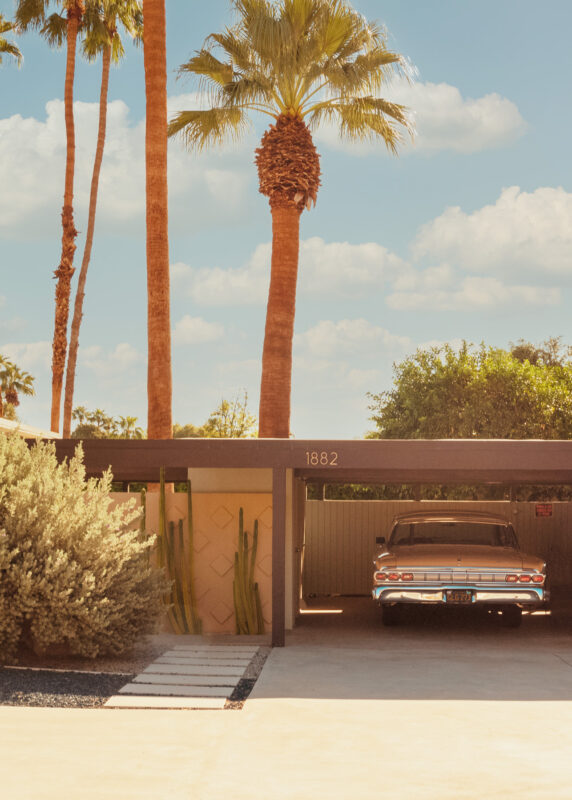
Visual Language and Architectural Rendering
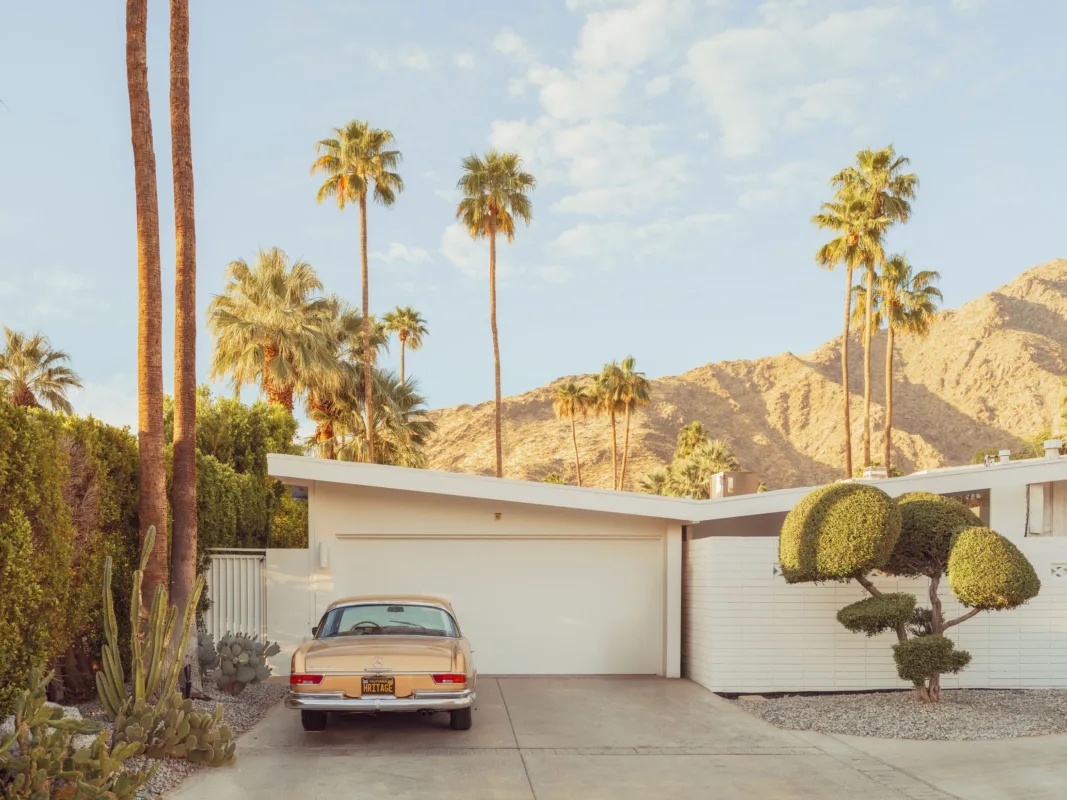
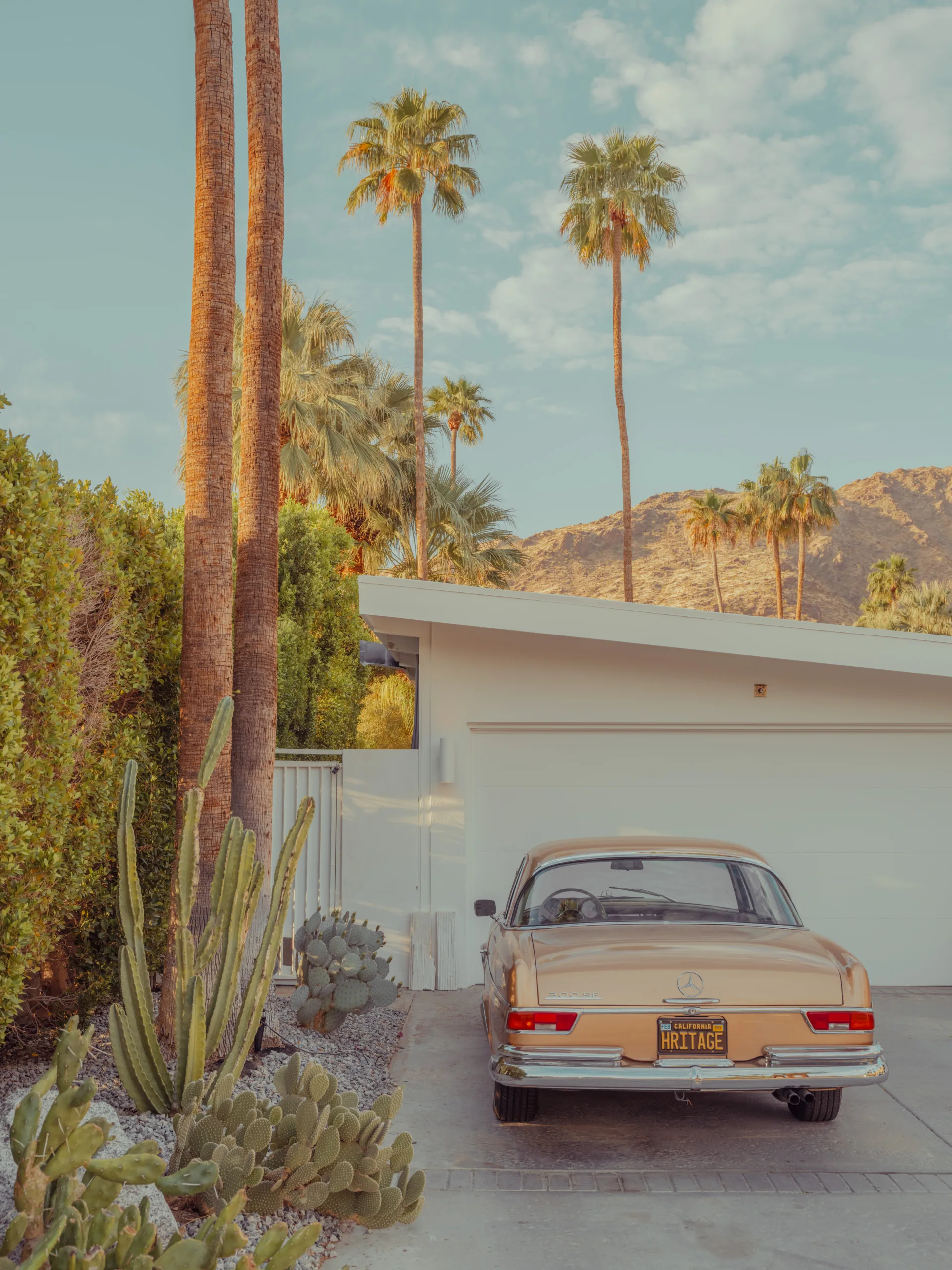
When photographing contemporary architecture, such as the work of Richard Neutra or Albert Frey (see Palm Springs through the lens), the medium format system alters the compositional geometry. Because of the larger sensor, a wider lens is required to achieve the same field of view as a full frame camera. This shift changes how we perceive the relationship between foreground and background.
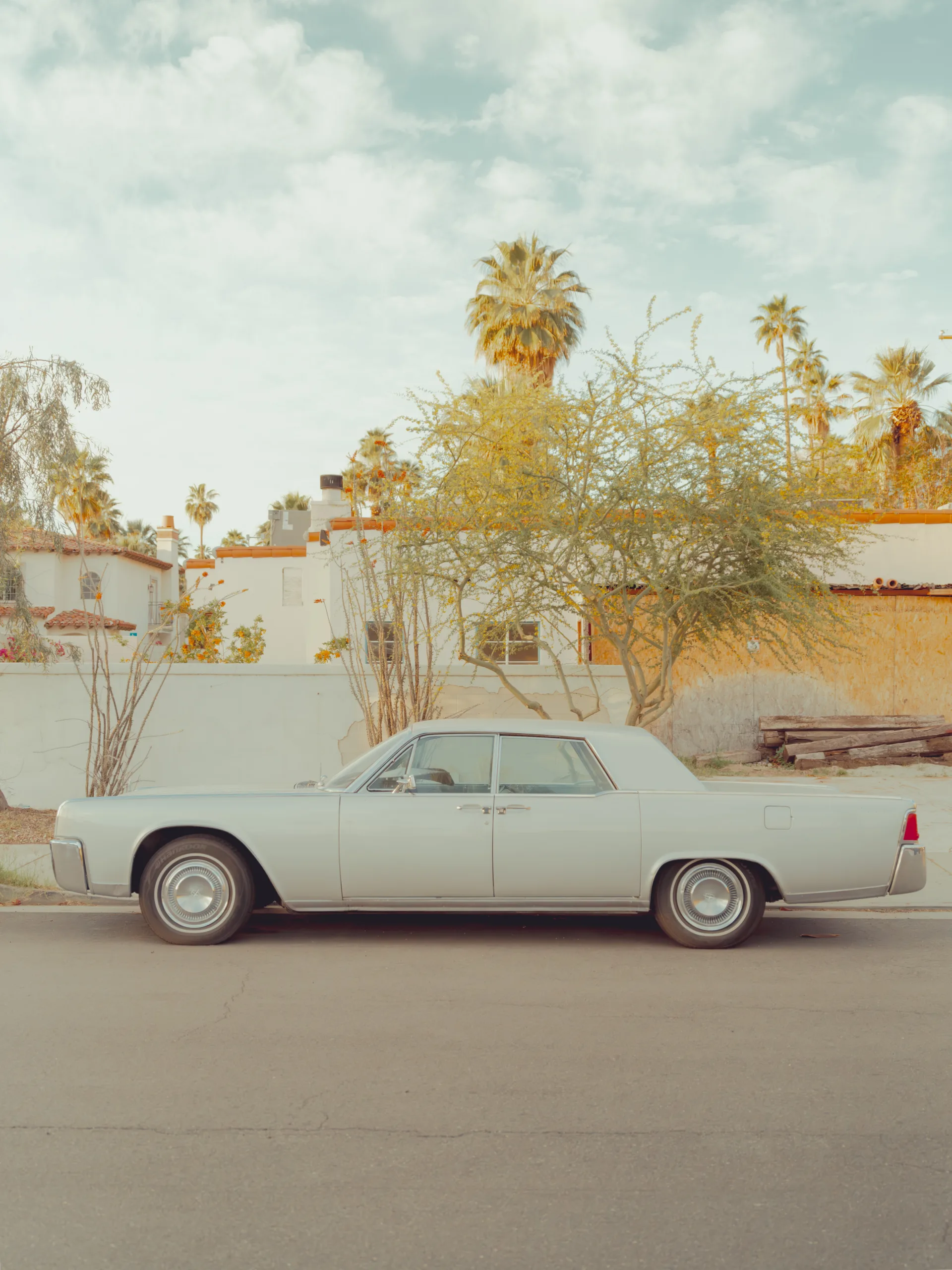
The result is a reduction in distortion and a more naturalistic perspective. The symmetry of a modernist building is preserved with greater integrity. Moreover, the color palette rendered by medium format sensors allows for the precise capture of pastel tones and high contrast desert light without clipping the highlights prematurely. This creates a cinematic quality where the image feels less like a snapshot and more like a curated frame from a film.
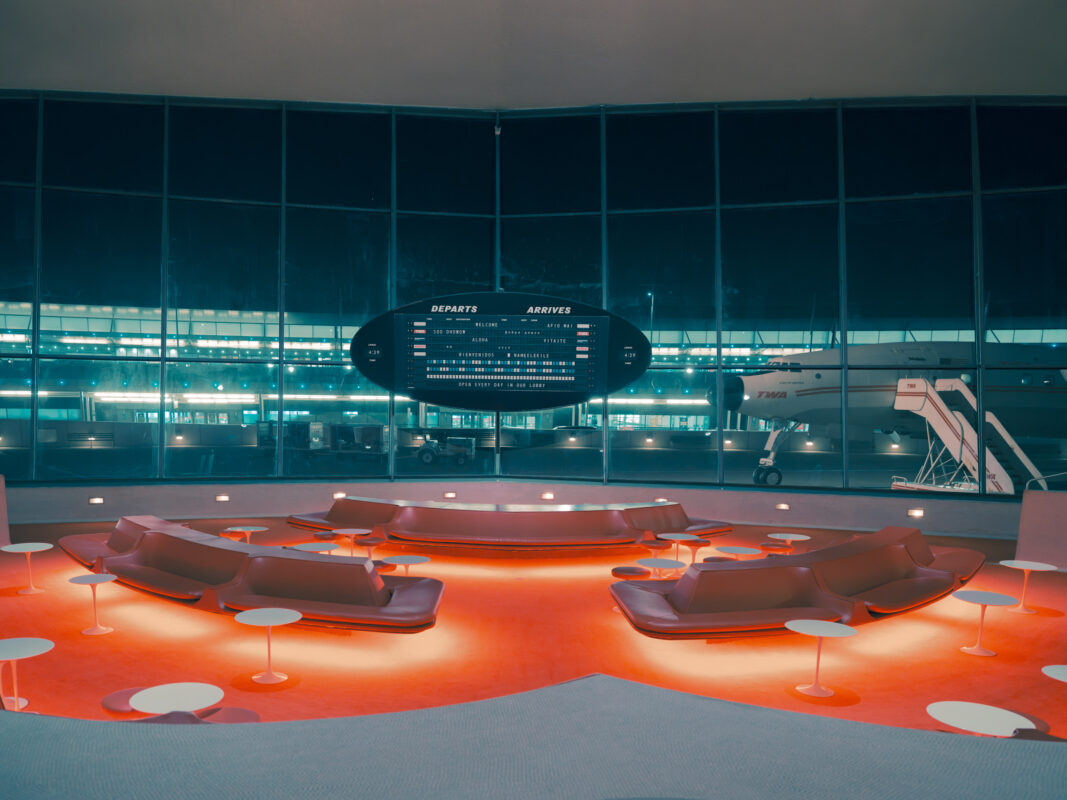
The materials are also highlighted differently. The grain of raw concrete, the transparency of floor to ceiling glass, and the matte finish of desert sands are rendered with a three dimensional presence. This is not merely a result of resolution, but of how the sensor handles the transition of light across a surface.
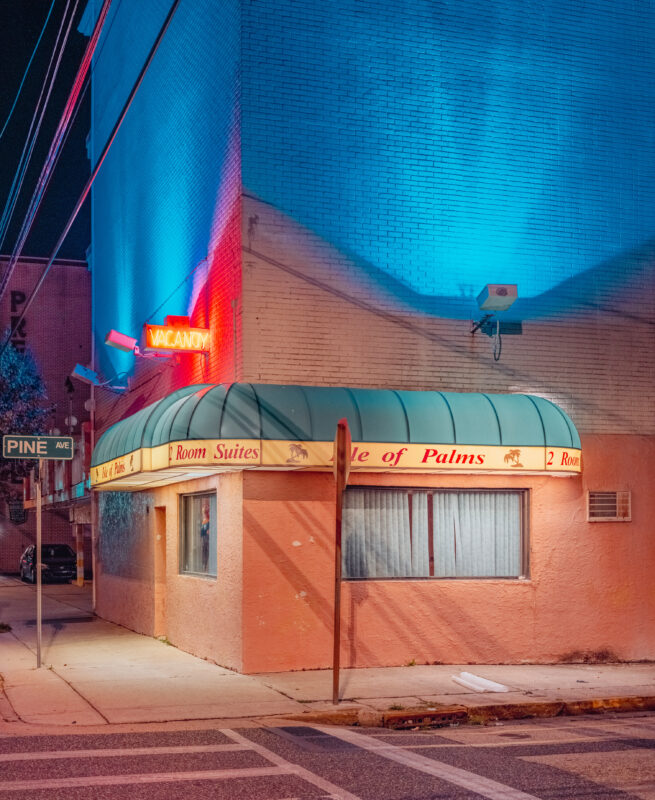
See what medium format looks like on the wall
My fine art prints go up to 180 x 120 cm, the sizes where a large sensor really shows, in limited editions of 30. To give your own images the same palette, the Fujifilm Collection and the Kodak Film Collection are the looks I use in Lightroom. See all Lightroom presets →
The Strategic Photographic Approach
Using a medium format system requires a fundamental change in artistic intention. It is an exercise in slowing down. The weight and the slower operational speed of these cameras discourage the pursuit of the decisive moment in favor of the constructed image, much like shooting film on a Mamiya 7.
The approach becomes one of precision: carefully selecting the angle, waiting for the light to hit a specific architectural plane, and treating each frame as a permanent record. In this workflow, the camera is not a tool for discovery, but a tool for execution. The photographer must embrace the constraints of the system, accepting that some shots will be missed in exchange for those that are captured with absolute fidelity.
Compositionally, there is a greater emphasis on negative space. The clarity provided by the medium format sensor allows the artist to leave large areas of the frame empty, trusting that the quality of the rendering will maintain the viewer’s interest through texture and tone rather than complex action.
Cultural Significance in a Digital Era
The resurgence of medium format in contemporary photography reflects a broader cultural movement toward permanence. In an era of ephemeral digital content, there is a renewed desire for images that possess the weight and authority of physical prints.
Medium format provides the necessary data density for large scale fine art printing, allowing architectural works to be displayed as immersive installations. It bridges the gap between the digital workflow and the traditional heritage of large format photography. By choosing these systems, photographers are resisting the trend of hyper speed, opting instead for a process that values contemplation over quantity.
Get the next gear test first
I only write about the cameras I actually use, from the Fujifilm GFX100S to the X100 and medium format film. Join the newsletter to get the next comparison, and 10% off your first fine art print.
Frequently Asked Questions
What is the main difference between medium format and full frame?
The primary difference lies in the sensor size. Medium format sensors are physically larger, which results in a shallower depth of field at equivalent focal lengths, superior tonal transitions, and generally higher dynamic range.
Why would I choose Hasselblad over Fujifilm?
One would typically choose Hasselblad for its industry leading color science (HNCS) and a more minimalist, purist user experience. Fujifilm is often chosen for its versatility, faster autofocus, and wider lens ecosystem.
Is medium format suitable for street photography?
While possible, it is challenging due to the size and weight of the gear. It is better suited for architectural, fashion, or landscape work where intentionality outweighs the need for rapid reaction.
Does a higher resolution always mean a better image?
No. While medium format often offers high megapixels, the real advantage is the sampling quality and the way the larger sensor interacts with light to create a three dimensional feel.
The Enduring Value of Scale
Ultimately, choosing a medium format system is an investment in the quality of the gaze. It moves the photographer away from the technical anxiety of the shot and toward the atmospheric reality of the subject. Whether through the precision of a Fujifilm GFX or the elegance of a Hasselblad X2D, the result is an image that possesses an inherent authority.
The medium format sensor does not simply record a scene; it grants the architecture a physical presence on the page.