Enjoy 10% off your first Fine Art print by signing up for the newsletter.

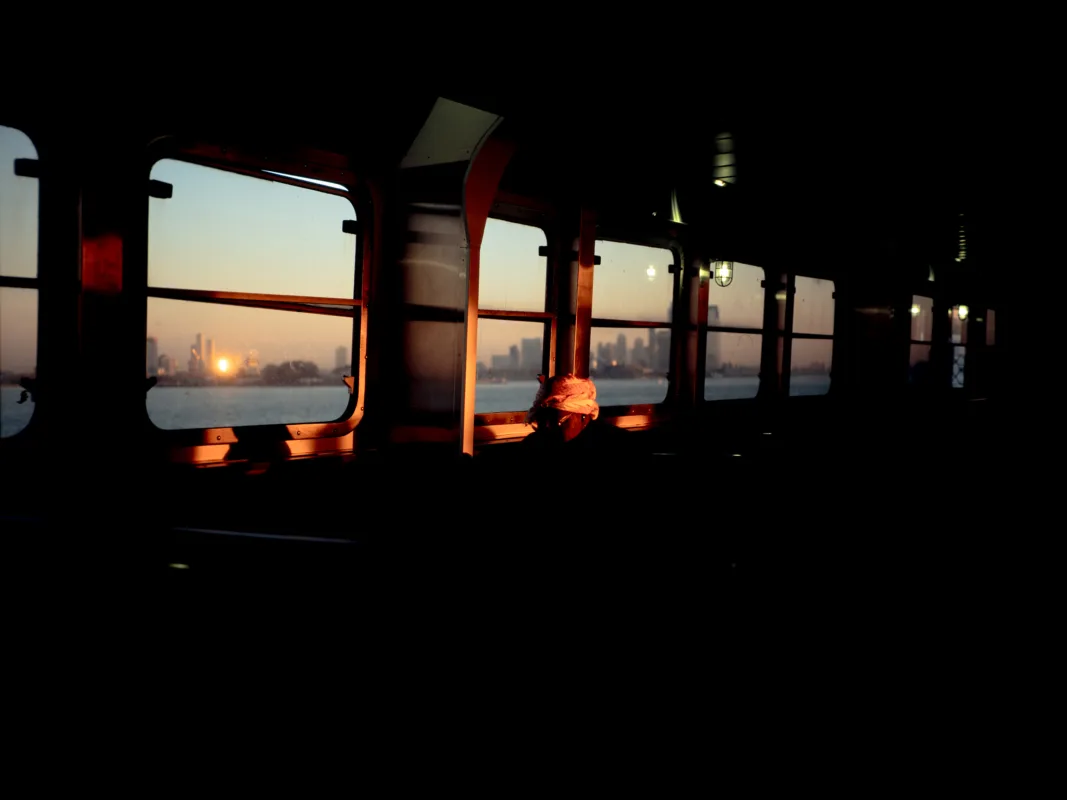
Why the Mamiya 7 Still Rules in the Digital Age
The Mamiya 7 is a relic of another era. Not because it’s outdated, but because digital has moved on without it.
While autofocus and AI-driven sensors dominate the conversation, the Mamiya 7 thrives in urban documentary work. It doesn’t just compete with digital, it proves film isn’t dead. It’s just different. The question is no longer whether you should shoot film or digital. It’s which one fits the job.
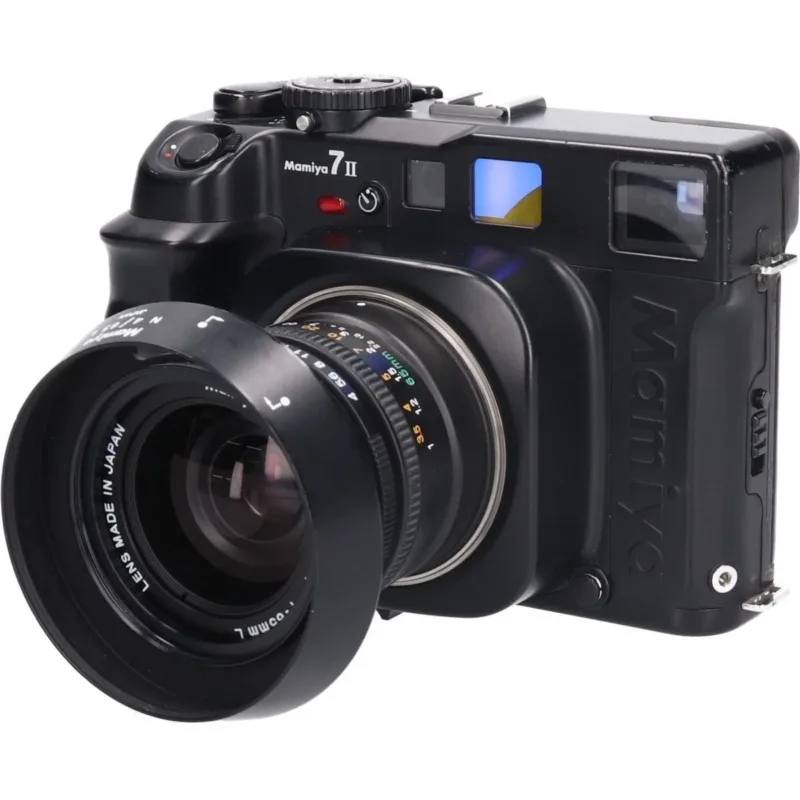
The Mamiya 7 vs Digital: A Fight Neither Side Wanted
The Mamiya 7 wasn’t built to lose. Digital didn’t invent the medium, it reinvented the rules, and film cameras like this one refused to adapt.
Digital’s speed, convenience, and post-processing power are undeniable. But the Mamiya 7 trades those advantages for something digital can’t replicate: **cinematic light**. Its 6×4.5 negative captures urban scenes with a depth and tone that digital sensors struggle to match. It doesn’t just see more detail, it renders it differently.
Film Photography Advantages: Why Grain and Noise Matter in Urban Work
Grain isn’t a flaw; it’s character. Digital noise is algorithmic, predictable. Film grain is organic, alive. It reacts to light the way skin does, warm in sunlight, cool under shade.
In urban documentary, this matters. Cities aren’t flat; they’re layered with texture, shadow, and mood. The Mamiya 7 doesn’t just record these layers, it preserves them. A digital sensor might smooth them out for clarity. Film embraces the mess.
Urban Documentary with Medium Format: The Mamiya 7’s Unfair Advantage
Medium format isn’t about resolution, it’s about **replication**. The Mamiya 7’s square negative forces a different way of seeing.
Digital cameras encourage framing for the frame. Film forces you to think in negatives: What will this look like on a lightbox? How will the edges behave? That discipline translates to stronger compositions, even if the final print is smaller than a digital capture.
Cinematic Light in Cities: Why Film Still Looks ‘Better’
Digital cameras are getting better at emulating film. But they still can’t replicate its **light response**. A Hasselblad or Phase One might mimic film tones, but the Mamiya 7’s negative has a life of its own.
In New York or Paris, where light shifts with weather and architecture, this is critical. Film doesn’t just capture light, it interprets it. Digital is precise; film is poetic.
Nostalgia: The Silent Force Behind the Mamiya 7’s Resurgence
Nostalgia isn’t just about the past, it’s about **meaning**. Digital is efficient. Film is ritualistic.
There’s a satisfaction in loading film, winding it, and waiting for the results that digital can’t replace. That ritual translates to a different kind of engagement with urban subjects. You slow down. You notice more. And that’s not just nostalgia, it’s better photography.
IA Replication: The Mamiya 7’s Secret Weapon in a Digital World
IA replication, the ability to scan film and match its textures digitally, is the closest thing to time travel. But it’s not about cheating.
When you replicate film, you’re preserving a way of seeing that digital has lost. The Mamiya 7 doesn’t just create images; it creates a **reference** for future generations. That’s power no digital camera can claim.
Conclusion: Digital is a Tool, Film is an Art
The Mamiya 7 isn’t obsolete, it’s just not for every job. Digital excels in speed and flexibility. Film excels in **memory**.
If you’re shooting urban documentary, if you care about light as more than exposure data, the Mamiya 7 is still the king. It doesn’t need to catch up, it needs to remind us what we’ve lost.