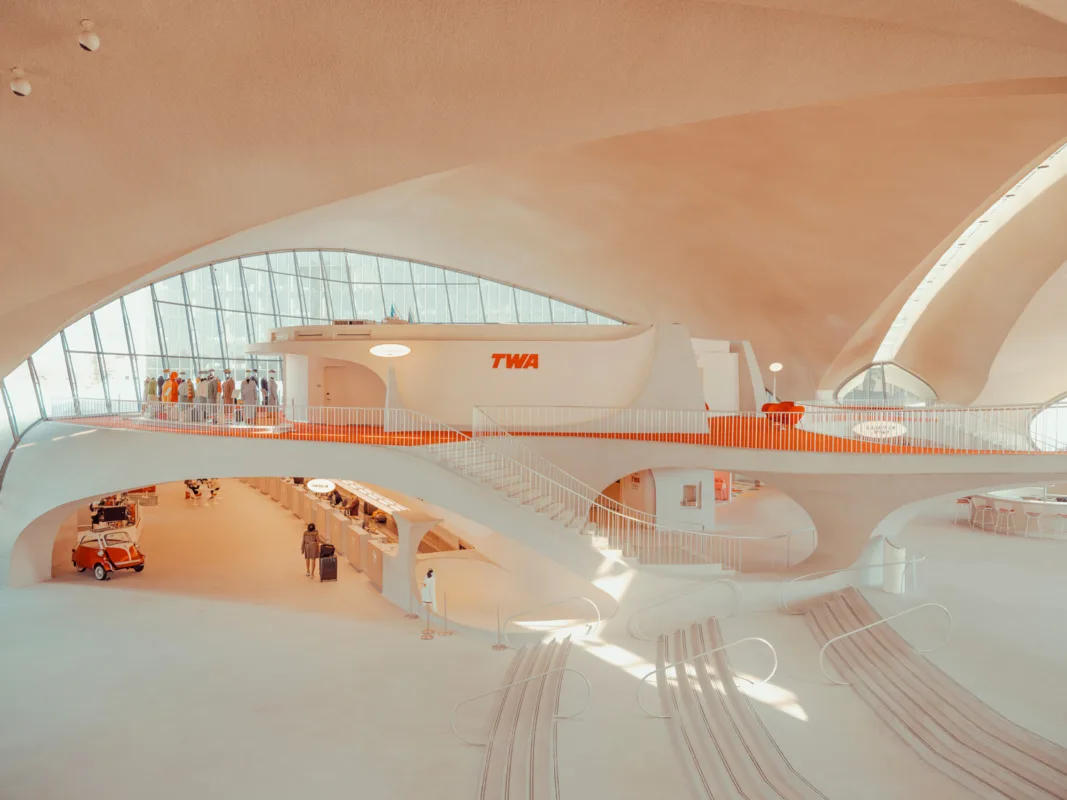
Architecture finalist image with Hasselblad Masters logo, dramatic — limited edition fine art print by Ludwig Favre

Hasselblad Masters 2026 finalist

Hasselblad Masters 2026 Finalist, Architecture category.

Published April 28, 2026


The email that changed everything

There are emails you open without thinking, and then there’s that one. The one that starts with “CONGRATULATIONS” in capital letters .

Today, I’m incredibly proud to announce that my photograph has been selected as a finalist in the Hasselblad Masters 2026 the most prestigious photography competition in the world.

Over 100,000 images. One selection.

To grasp what this really means, a few numbers:

  • Over 100,000 photographs submitted this year  a record-breaking total
  • 7 categories spanning every style of photography
  • Only a handful of finalists per category

Being chosen among these finalists, after a careful pre-selection by the Hasselblad team, means seeing your work recognized at the highest international level. And honestly, I still can’t quite believe it.

What are the Hasselblad Masters?

For more than 20 years, the Hasselblad Masters has celebrated the most talented photographers around the globe. Hasselblad  the legendary Swedish brand that traveled to the Moon with the Apollo missions  rewards artists who push the boundaries of the image every two years.

TWA-Blog

What’s next? I need you.

The final vote rests on two juries:

  1. The Grand Jury, made up of leading figures in international photography
  2. The Public Jury  that’s YOU

The public vote counts as one full jury seat. Every single click can tip the scales.

👉 How to vote?

Head to the official site and support my entry:

https://www.hasselblad.com/inspiration/masters/2026/

Voting is open today through June 2026. Winners will be announced on June 30, 2026.

Thank you

To everyone who has followed my work for years, to those discovering my photos for the first time today, to my family, my friends, and everyone who pushed me to submit despite the doubt: thank you.

This nomination isn’t just a personal milestone. It’s the result of every encounter, every piece of advice, every honest critique that has shaped my vision over the years.

Now, let’s make this vote count. Share, vote, and live this adventure with me.


🔗 Vote for my photo: Hasselblad Masters 2026 — Finalists

📧 Press contact: hello@ludwigfavre.com

📸 Follow the journey: instagram : @ludwigfavre


#HasselbladMasters2026 #Photography #Finalist #PhotoContest

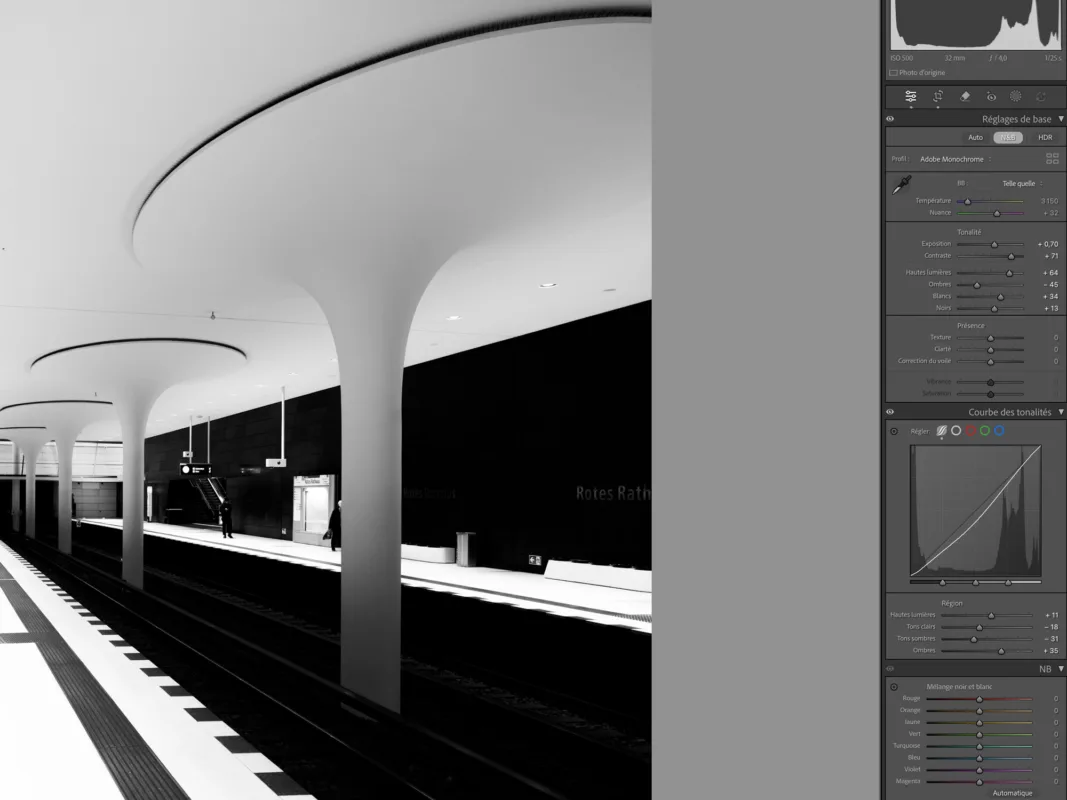
Quiet Paris metro platform with dramatic lighting — limited edition fine art print by Ludwig Favre

Why You Should Create Your Own Lightroom Presets | Photography Editing Guide

Why You Should Create Your Own Lightroom Presets (Complete Guide for Photographers)

In a world flooded with images, developing a strong and recognizable visual identity is no longer optional  it’s essential. Creating your own Lightroom presets allows photographers to control their color grading, editing workflow, and overall photography style with precision. Creating your own Lightroom presets is one of the most powerful ways to take control of your style, streamline your workflow, and elevate your photography to a professional level.

Whether you’re a photographer, content creator, or visual artist, custom presets are more than just filters. They are a creative signature.


1. Build a Strong Visual Identity with Lightroom Presets

Your preset becomes your visual language. By creating your own, you ensure consistency across your images colors, contrast, mood, and atmosphere all speak the same tone. Over time, people will recognize your work instantly, even before seeing your name.

A strong identity is what separates memorable photographers from the rest.


2. Stay True to Your Artistic Vision

Using ready-made presets can be tempting, but they often impose someone else’s aesthetic on your work. Creating your own presets forces you to analyze light, colors, and emotion  and translate your vision into precise adjustments.

You’re no longer following trends. You’re defining them.


3. Save Time in Your Photography Editing Workflow

Once your presets are dialed in, your editing process becomes faster and more efficient. Instead of starting from zero on every image, you begin with a solid creative foundation that you can fine-tune if needed.

This means more time shooting, creating, and refining your craft.


4. Learn Lightroom at a Deeper Level

Creating presets pushes you to truly understand Lightroom: tone curves, color calibration, HSL, split toning, and color grading. You stop editing by instinct and start editing with intention.

The result? Cleaner edits, better color control, and complete creative confidence.


5. Adapt Your Lightroom Presets to Any Shooting Situation

When you build your own presets, you know exactly how they react to different lighting conditions, cameras, and scenes. You can create variations  daylight, low light, high contrast, soft tones  all based on the same aesthetic core.

Your style stays consistent, no matter where you shoot.


6. Create Value Beyond Your Images

Custom presets can also become a product. Many photographers successfully sell or share their presets as part of their brand, offering insight into their creative process.

Your experience becomes value  for others and for your business.

Essential Steps to Create a Lightroom Preset

Creating a strong and reusable Lightroom preset requires structure, patience, and intention. Below is a complete, professional workflow from technical corrections to artistic decisions suitable for photographers progressing from beginner to advanced level.

1. Start With a Clean Base Image

Choose a well-exposed image shot in RAW, with neutral lighting and no extreme color casts. A preset should be built on a versatile image so it behaves consistently across different photos.

Avoid images that are already heavily edited.

2. Correct Exposure and Global Light

Begin with the Basic panel:

  • Exposure
  • Highlights
  • Shadows
  • Whites
  • Blacks

Your goal is balance. Make sure highlights are not clipped and shadows retain detail. This step defines the technical reliability of your preset.

3. Adjust Contrast and Tonal Structure

Next, refine contrast using:

  • Contrast slider
  • Tone Curve (Parametric or Point Curve)

Use the tone curve to shape your image subtly. Gentle S-curves add depth, while flatter curves create softer, more muted looks.

This stage determines whether your preset feels punchy, soft, cinematic, or natural.

4. Set the White Balance Intentionally

White balance should be adjusted before heavy color work. Decide whether your style leans warm, cool, or neutral.

A consistent white balance philosophy is crucial for presets that work across multiple lighting situations.

5. Refine Colors Using HSL

The HSL panel is where your preset gains personality:

  • Hue: shift specific colors
  • Saturation: control intensity
  • Luminance: manage brightness of colors

Pay special attention to skin tones (oranges and reds) and dominant colors in your photography.

6. Use Color Calibration (Advanced)

Calibration allows deeper control over color rendering at the sensor level. Small adjustments here can significantly affect overall harmony.

This step is often overlooked but separates amateur presets from professional ones.

7. Apply Color Grading to Define Mood

Now shape the emotional tone of your image using Color Grading:

  • Shadows
  • Midtones
  • Highlights

Keep it subtle. Color grading should enhance the image without overpowering it. This step gives your preset its signature atmosphere.

8. Add Presence and Texture Carefully

Use tools like:

  • Texture
  • Clarity
  • Dehaze

Apply with restraint. Overuse can make presets harsh or unusable across different images.

9. Optional: Add Grain or Effects

If your style includes a film or vintage feel, add grain or vignette lightly. These should remain optional and adaptable.

10. Save and Test Your Preset

When saving your preset:

  • Exclude exposure if you want flexibility
  • Test on multiple images with different lighting
  • Refine and adjust based on results

A good preset evolves over time.


Conclusion: Why Creating Your Own Lightroom Presets Matters

Creating your own Lightroom presets is a key step toward building a strong photographic identity and mastering your editing workflow. For photographers evolving from beginner to advanced level, presets are not shortcuts  they are tools for consistency, intention, and creative growth.

When your colors, contrast, and mood become recognizable, your work gains impact and credibility. Over time, your presets stop being simple settings and become part of your signature.


Frequently Asked Questions About Lightroom Presets

What are Lightroom presets?

Lightroom presets are saved editing settings that allow you to apply consistent color grading, contrast, and tonal adjustments to your photos in one click.

Should beginners create their own Lightroom presets?

Yes. Creating presets helps beginners understand how Lightroom works and develop good editing habits early, instead of relying on generic filters.

Can Lightroom presets work on all photos?

Presets are a starting point. Lighting, exposure, and camera settings vary, so minor adjustments are often needed after applying a preset.

Can I sell my Lightroom presets?

Absolutely. Many photographers sell presets as digital products, offering their unique style and expertise to others.


Take Your Editing Further

If you want to speed up your workflow and achieve a consistent, professional look, creating your own presets is the best place to start.

You can also explore professionally crafted Lightroom presets designed for real-world shooting conditions  built to be flexible, natural, and easy to adapt.

Your style deserves more than a generic filter. Build it, refine it, and share it.

But if you don’t have the time or the desire to create your own presets from scratch, you can find my Lightroom presets ready to use instantly by following the link below.

Buy Ludwig’s Presets

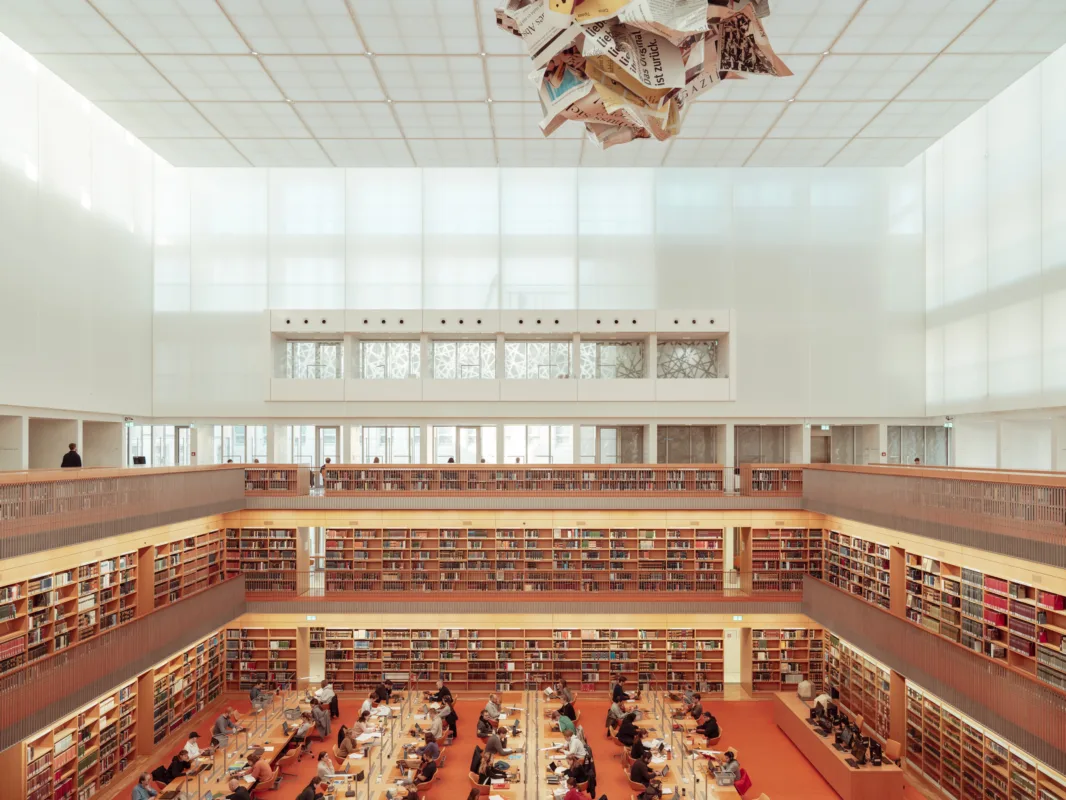
Berlin By Ludwig Favre Fine Art Prints

How to Overcome the Fear of Filming or Shooting in Public: The Art of Confidence for Creators

The Art of Creating Without Fear

How to Overcome Fear and Build Confidence in Street Photography

There’s a strange feeling that hits you the moment you take out a camera in the middle of the street.
People walking by, the noise of traffic, and that small voice whispering that everyone is watching you.

But here’s the truth: no one really cares.
Most people are too busy wondering what others think of them to actually judge you.

When you decide to leave everything behind to live from your passion photography, video, art, whatever it is you must face that fear head-on.
Because if you don’t, the alternative is worse: a life spent in a routine job five days a week, dreaming of what you could have done.


Confidence Is a Muscle, Not a Gift

The first time you film yourself talking to a camera in public, it feels ridiculous.
You imagine people staring, judging, whispering. But they aren’t. They’ll glance for two seconds, then move on.

Confidence doesn’t appear overnight. It grows every time you push through discomfort.
Each moment you tell yourself I don’t care what they think, you reclaim your freedom to create.

Like any muscle, confidence strengthens with repetition.
The more you shoot, the more you film, the less you notice the world around you.
Your focus shifts entirely to your craft, to the light, to the scene unfolding in front of you.

But always remember this: street photography is not about invading people’s space.
It’s about respect, observation, and storytelling.
The camera should never feel like a weapon it’s a bridge between you and the world.


Why You Shouldn’t Fear Looking Stupid

Creativity demands a bit of madness.
The difference between those who create and those who don’t isn’t talent it’s courage.
The courage to look foolish for a moment, to take a risk, to say yes when everything
in you says not today.

That fear you feel is a sign you’re doing something real.
If it were easy, everyone would be doing it.


Next Time You’re in the Street

When you’re about to film that YouTube clip or raise your camera to capture a candid moment, and that voice inside says they’ll think I’m an idiot talking to myself, smile.
That voice isn’t your enemy it’s your compass.
Because behind it lies the person you want to become: fearless, creative, alive.

So the next time you hesitate, remember this simple truth:
Nobody’s watching. Everyone’s just living their own story.
And you’re finally starting to live yours.


Your Turn

How do you deal with people’s eyes when you’re filming or photographing strangers in the street?
Do you have any tricks or ways to stay calm and confident when the world is watching or when it feels like it is?
Share your experience in the comments, your advice might help someone take that first brave step.


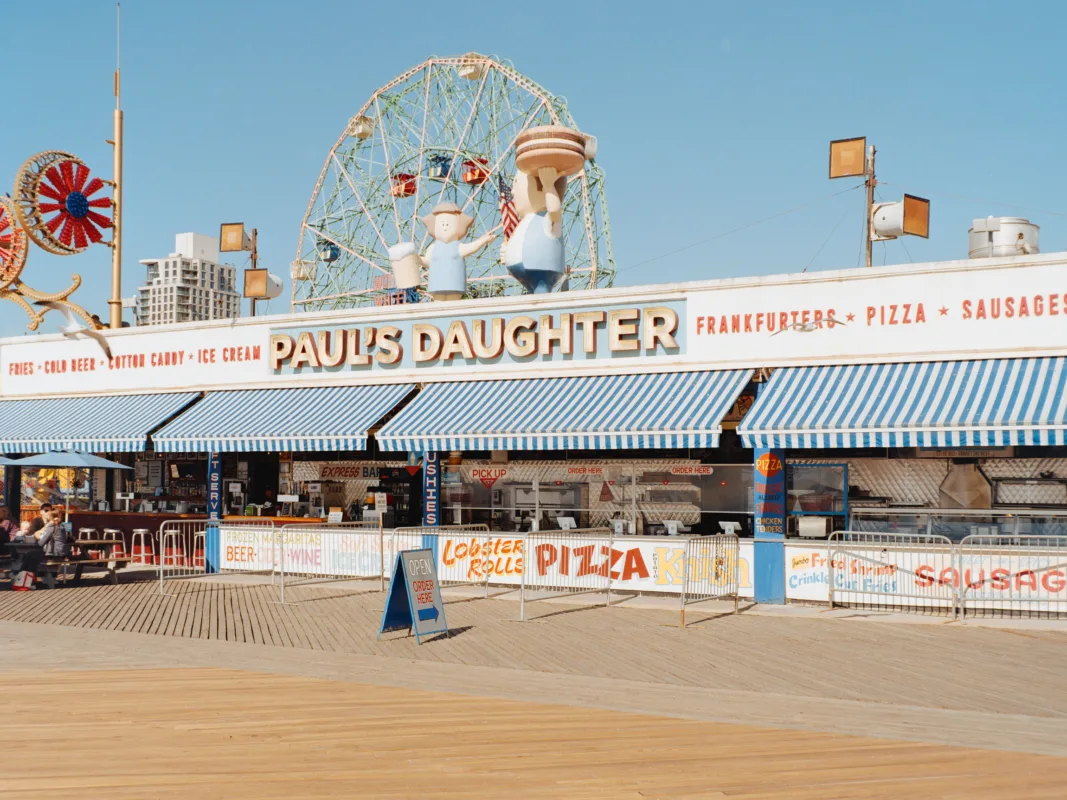
Coney island Fall 2024 Very limited Fine Art Prints Ludwig Favre

Why AI Will Never Replace Photographers

Why AI Will Never Replace Photographers: Creativity, Ethics, and the Value of Uniqueness in Photography

Generative artificial intelligence (AI) has revolutionized the digital landscape, offering the ability to create hyper-realistic images from simple text prompts. As this technology advances, there’s an ongoing debate about whether AI could eventually replace human photographers. While AI’s capabilities are impressive, it raises significant questions about creativity, ethics, and the irreplaceable value of human artistry in the world of photography.

Photography: A Unique Reflection of the Human Soul

Photography goes beyond capturing images; it is a personal art form shaped by the photographer’s unique experiences, vision, and soul. Each photograph carries emotional depth, telling a story through the photographer’s lens.

AI, however, cannot create truly original content. Instead, it generates images based on patterns in existing data, lacking the personal narrative and emotional connection that human photographers bring to their work. The true value of a photograph lies not only in its visual appeal but in the irreplaceable essence of the artist’s personal journey and humanity.

AI’s Dependence on Human Creativity

AI, despite its impressive ability to imitate, is ultimately a tool dependent on human creativity. AI systems are trained on vast datasets, which consist of images created by photographers and other artists. Without these foundations, AI would have no material to generate visuals.

This highlights an important point: AI can imitate and replicate, but it cannot innovate without human input. As long as humans continue to create, AI will have something to build upon but it can never replace the originality of human artistry.

The Ethical Dilemma: Exploitation of Photographers

One of the most pressing ethical issues surrounding AI in creative fields is the way AI systems are trained. AI models often rely on vast amounts of data scraped from the internet, including works created by photographers, without their consent or compensation. This raises concerns about exploitation, as photographers and artists unknowingly contribute their work to systems that could eventually compete against them.

This lack of recognition and fair compensation undermines the value of human creativity and threatens the livelihood of many artists.

The Value of Uniqueness: Why Human Created Photography Endures

AI-generated images face a fundamental flaw: their lack of scarcity and uniqueness. Unlike photographs, which are one of a kind, AI generated images can be replicated infinitely. This infinite reproducibility diminishes the value of the artwork, turning it into a mere commodity.

In contrast, a photograph created by a human is a unique artifact a moment in time captured through the eyes of the artist. Its value is not only in its rarity but also in the personal connection between the photographer and the image. Each photograph offers a snapshot of a specific moment in history, infused with the creativity, emotion, and vision of the artist.

Why Human Created Art Will Always Be Irreplaceable

When someone buys a photograph, they’re not just purchasing an image they’re investing in a piece of history, a personal story, and a timeless work of art. Human created art holds intrinsic value because it tells a unique story, one that no machine can replicate. The connection between the viewer and the creator is an irreplaceable aspect of the art-buying experience.

Protecting Creativity: Ensuring Ethical Use of AI in Photography

While AI can be a powerful tool for photographers, it should never replace human creativity. To maintain a sustainable and ethical creative ecosystem, it’s important to:

  • Advocate for fair use policies that ensure artists are compensated for the works used to train AI models.
  • Educate buyers about the difference between AI generated images and human made art, emphasizing the unique value of the latter.
  • Celebrate the authenticity and exclusivity of human creativity in the art world.

Conclusion: AI Will Never Replace Human Photographers

While AI may assist photographers and even imitate their styles, it will never be able to replace the creativity, personal history, and emotional depth that human photographers infuse into their work. The infinite reproducibility of AI generated images erodes their value, reducing them to disposable commodities.

Human-created photography, on the other hand, offers something unique a singular moment captured through the lens of an artist. This photograph is not just an image; it’s a piece of history, a creative act that will never be replicated.

As we move forward, it’s crucial to protect the value of human creativity in the face of advancing technology. When you invest in a photograph created by a human, you’re investing in a piece of art, a story, and a moment in time that will never happen again. And that is something no machine can ever replicate.

What Are Your Thoughts on AI in Photography?

As AI continues to evolve in the creative world, do you see it as a tool for enhancing creativity or a potential threat to photographers? Let’s discuss in the comments below I’d love to hear your thoughts!