BLACK FRIDAY STARTS NOW 15% OFF EVERY PRINT.

Why As a Professional Photographer I Returned the iPhone Duo After 14 Days
I wanted to love the iPhone Duo. On paper, a foldable iPhone sounds like the perfect companion for a photographer: a pocket phone that opens into a large screen to review, edit and share images. After fourteen days of real use in the street, I sent it back and bought an iPhone 18 Pro Max instead. Here is why, point by point, from the perspective of someone who uses his phone as a working camera every day.
This is not a spec sheet review. It is what I lived with the device in my pocket and in my hand, and why foldable smartphone photography, in its current form, does not fit a professional workflow.
Folded, the screen is too short and too narrow
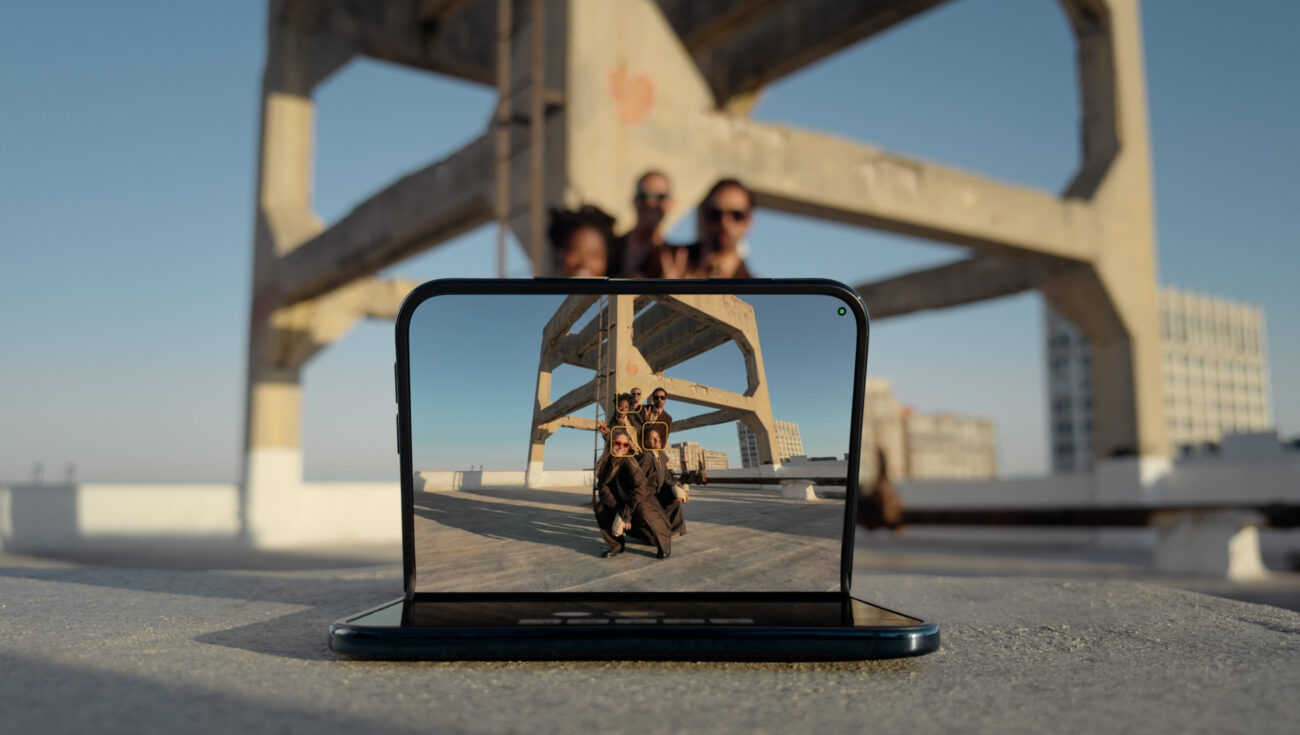
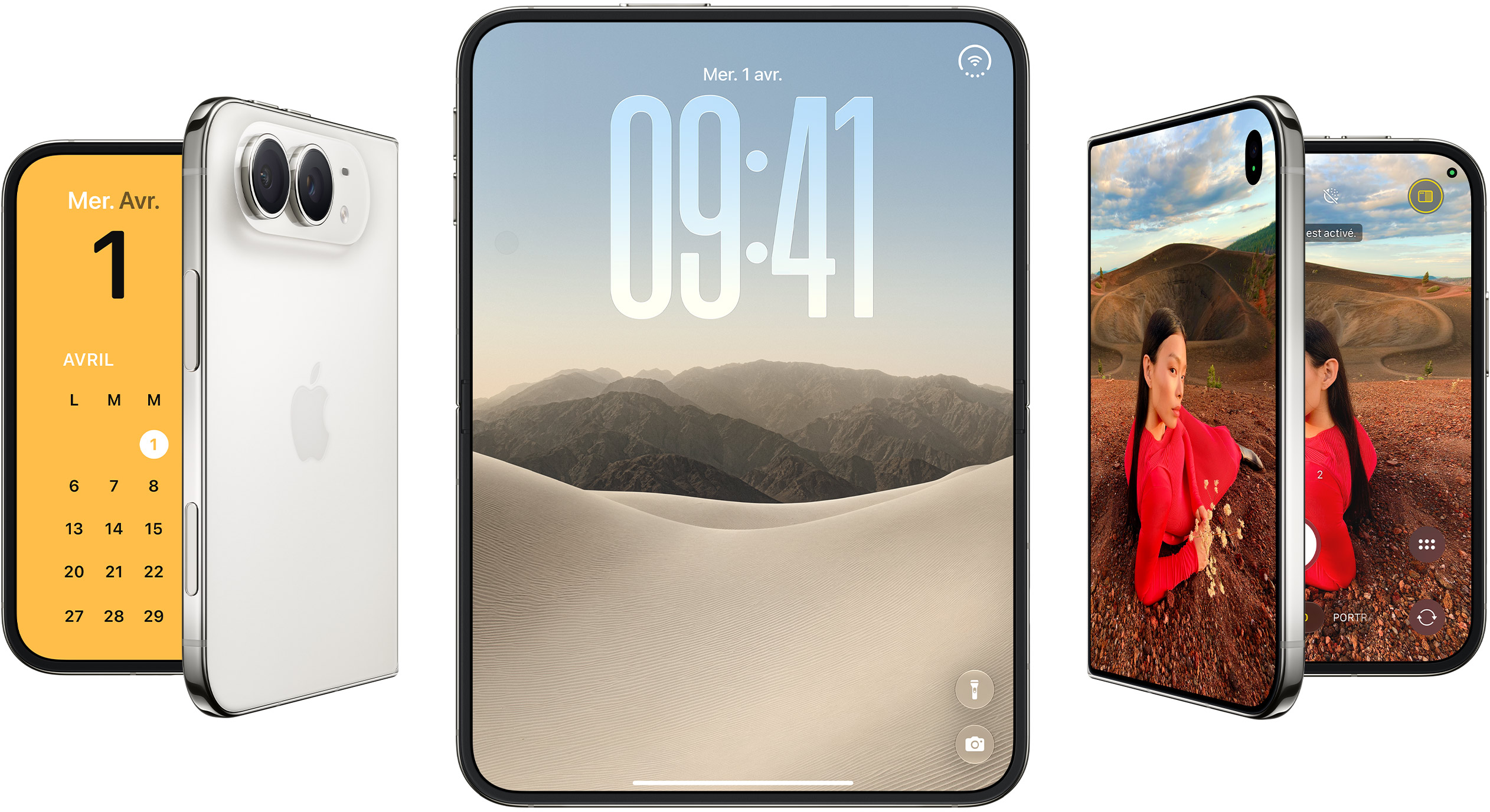
This is the point that matters most, because about 80% of the time I used the iPhone Duo folded. That is how you use a phone in real life: walking, checking a message, framing a quick shot. And folded, the outer screen is simply not tall enough and too narrow.
On top of that, the navigation and the controls sit on the right side of the screen. It is a logical choice for this shape, but it eats into a space that is already small. Reading, typing or composing a picture always feels a little cramped. On a phone I use all day, that small discomfort repeats itself hundreds of times.
No zoom, no RAW: a camera a professional cannot rely on
For most people, a JPEG or an optimized format is perfectly fine. The phone makes its choices, the picture looks good on social media, and that is enough. For a professional photographer, it is a real problem.
Without RAW, I cannot recover highlights and shadows the way I need to in contrasted city light, and I cannot grade the colours to match my own style. The image is already decided by the phone’s processing before I touch it. Without a zoom lens, I lose the ability to isolate a detail, to compress a street or to frame a facade from a distance. I have to move, crop, and accept less detail.
Together, these two absences make the pictures hard to use in my work. That is the core reason this device could not stay in my bag.
Most apps are not ready yet
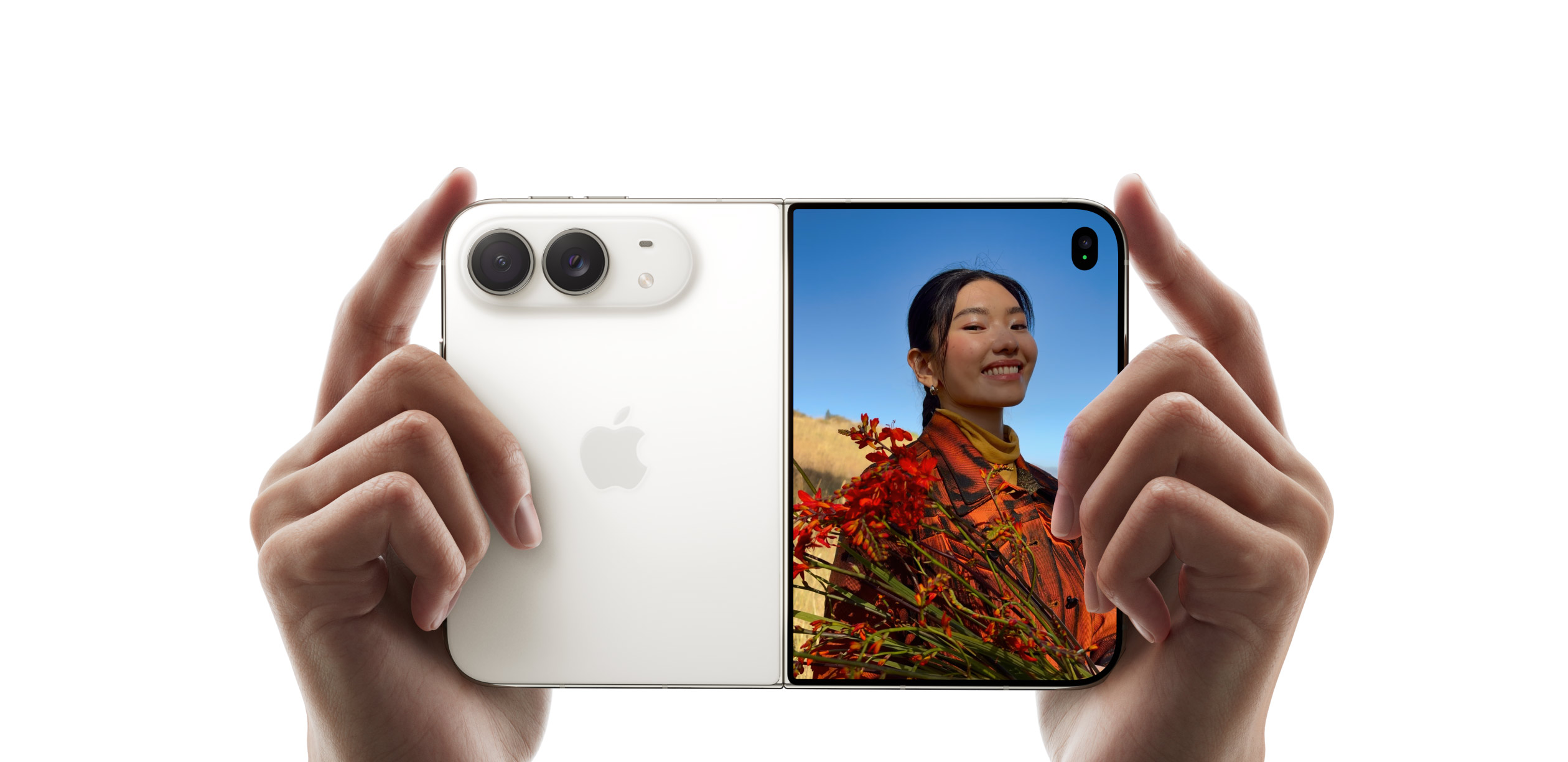
Most iOS apps are not yet optimized for this new format, folded or unfolded. Some interfaces look stretched, others leave empty areas, and some simply behave as if they were running on the wrong device.
I am sure this will change as developers update their apps. But today, the result is lost time and a lot of friction. Every small detour adds up, and in the end it just becomes frustrating. A tool should disappear behind the work, not ask for your patience.
You feel the weight, and the width works against one hand
The iPhone Duo weighs 254 g, and you feel it. In a pocket, it is always there. In one hand, it is the same story.
Folded, it is also very wide. Holding it firmly with one hand while using the screen with the same thumb is difficult. For a phone that I want to pull out quickly to catch a moment, that width is a real obstacle.
To enjoy the big screen, you have to unfold it, and that is where it gets hard
The whole point of the iPhone Duo is the large inner screen. To appreciate it, you have to open the device. And that is where the problem starts: walking down a street with an open screen in your hands is like walking with a small tablet. It is not natural, and it is not as easy as using an iPhone 18 Pro.
So in practice, I kept it folded, which brings me back to the cramped outer screen. The best part of the device was the part I could least use in the conditions where I take pictures.
The price does not add up
All of these points could be acceptable on an affordable experiment. But the iPhone Duo is the most expensive iPhone Apple sells. At that price, I expect the best of what Apple does, not a list of absences:
- no optical zoom,
- no RAW capture,
- no Log video recording,
- a heavy device,
- no Face ID, even if a visual unlock mode is now offered.
Compared to an iPhone 18 Pro Max, each of these is a step backwards. Put together, for me, they make the price impossible to justify.
Why I went back to the iPhone 18 Pro Max
After fourteen days, the conclusion was simple. The iPhone Duo is a fascinating object, but as a photographer I kept running into its limits. I returned it and bought an iPhone 18 Pro Max again: a phone that fits in one hand, shoots RAW, has a real zoom, films in Log, and lets me work without thinking about the tool.
Foldable iPhones will improve, and apps will catch up. I will gladly look again when the camera and the ergonomics follow the ambition of the screen. Until then, the Pro Max stays in my pocket.
Frequently Asked Questions
Can you shoot RAW on the iPhone Duo?
No. During my test, the iPhone Duo did not offer RAW capture, which is the main reason it does not suit a professional photography workflow.
Does the iPhone Duo have an optical zoom?
No. Without a zoom lens, isolating details or compressing perspective means cropping, with a loss of detail.
Is the folded iPhone Duo comfortable to use with one hand?
Not really in my experience. Folded, it is wide and heavy, and the outer screen feels short and narrow with the controls on the right side.
Is a foldable phone a good choice for street photography?
Not yet. Unfolding the screen in the street is impractical, and the camera lacks the RAW, zoom and Log features that an iPhone 18 Pro Max already offers.
The best camera is the one that disappears behind the picture. For now, that is still the iPhone 18 Pro Max.